What is Domisolca?
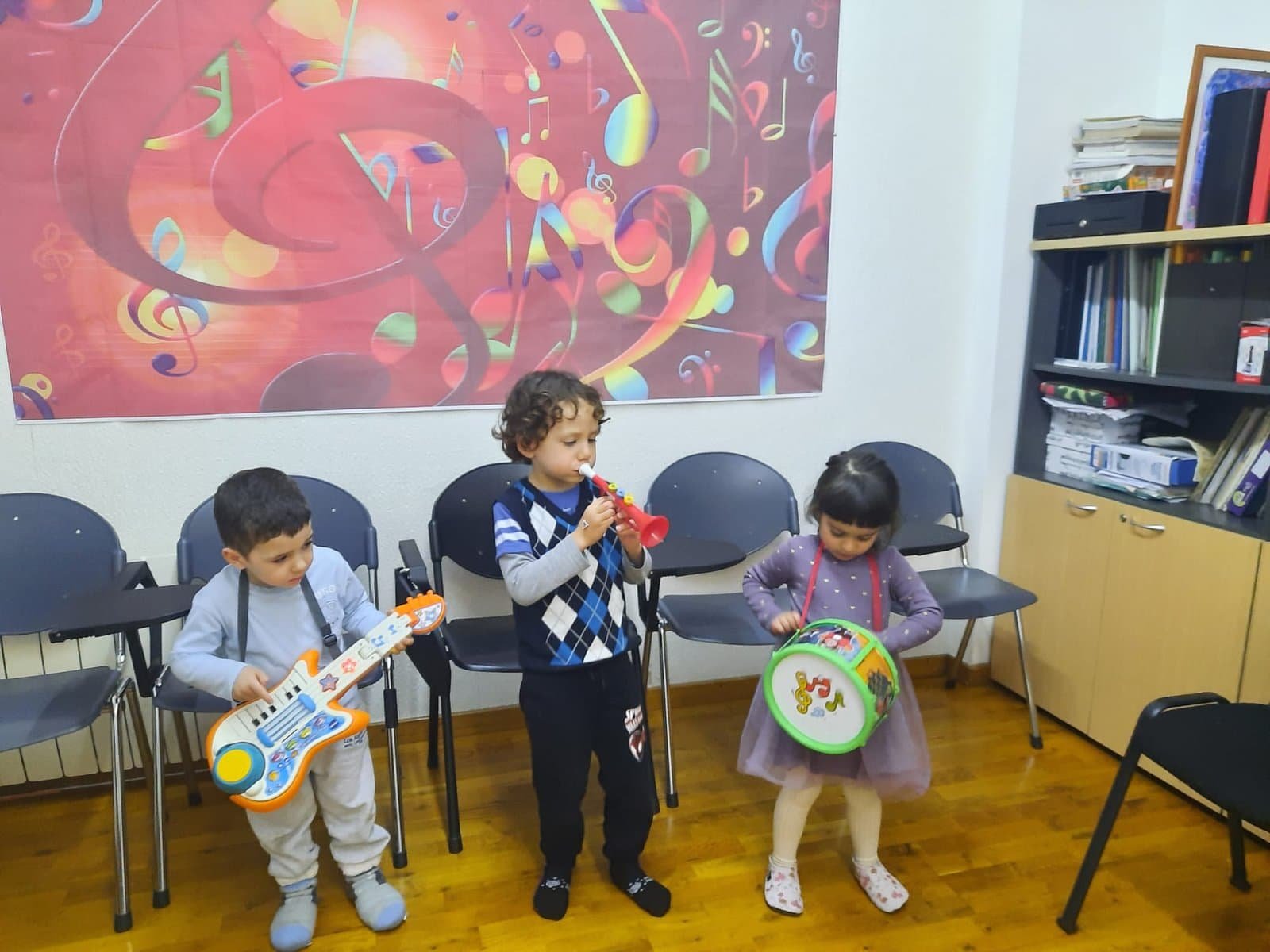
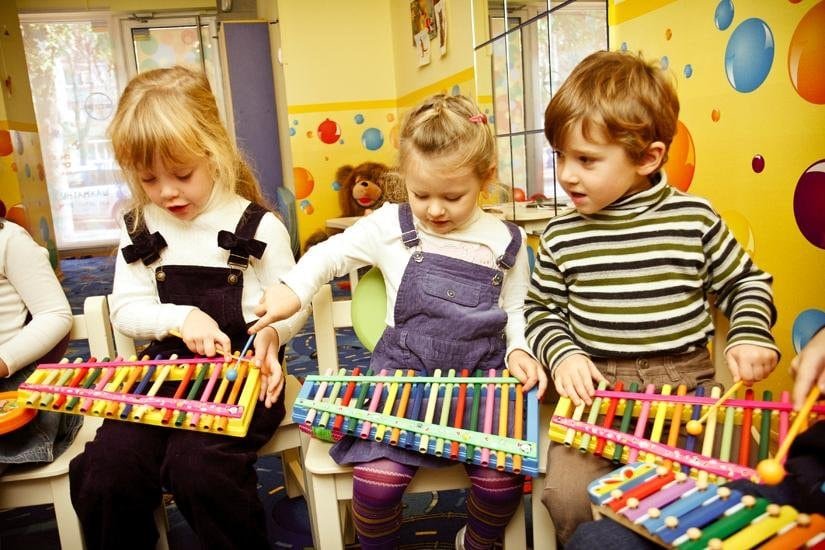
Domisolca it is the arts education school of our centre, designed as a first stage in musical training. The children do not attend music class on the one hand and visual arts on the other: they work on all four disciplines together, because each one illuminates the others.
The aim is for the child to be simultaneously a reader, listener, musician, spectator, actor and artist. Learning to listen to a piece, to act it out, to dance it and to draw it develops an understanding of artistic culture that is not achieved by studying each art form on its own.
The method
The programme was developed by Marina Sipchenko, PhD in Cultural Studies, pianist and musicologist, based on her research into the synthesis of the arts: literature, music, visual arts, theatre, dance and cinema.
For ten years, she has presented the results of this work at music pedagogy conferences and seminars at the University of Girona, the University of Granada, the Conservatori Superior del Liceu in Barcelona and the University of Barcelona master's degree programme Music as an interdisciplinary art. She is also the author of the book Musical culture and arts education.
The classes apply methods from the psychology of artistic perception and developmental psychology.
The four areas
The musical alphabet
We sing and play. First contact with sound, rhythm and voice.
Musical theatre
Represent, interpret, put oneself in someone else's shoes.
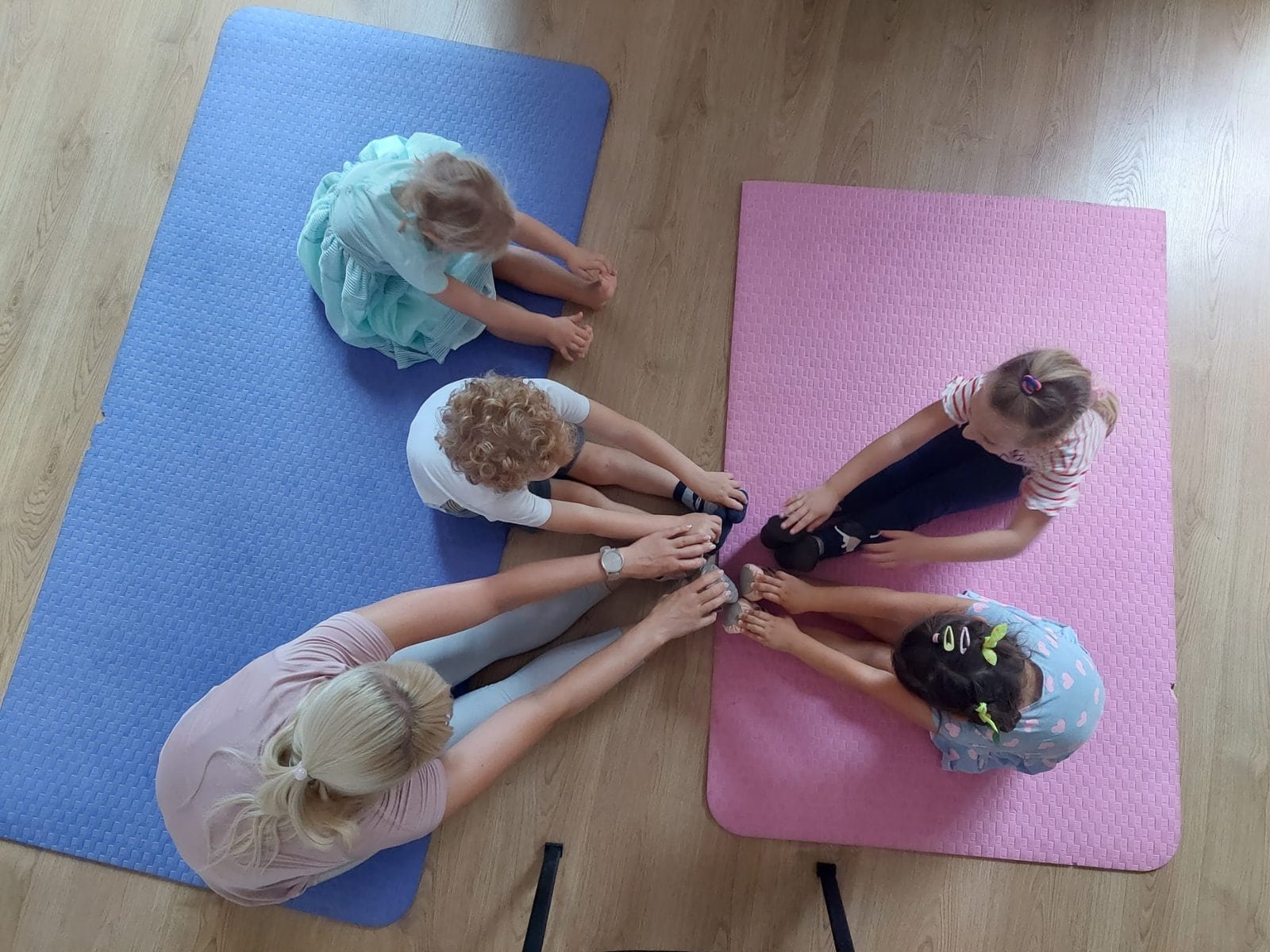
The rhythmic mosaic
Dance and movement as a way of understanding music with the body.
Art and music
How do you draw music? Visual arts based on listening.
The next step
Domisolca prepares the pupil for their future musical education. When the child turns six years old, they can continue at the Russian Music Academy in Barcelona with the instrument of their choice, having already developed their ear, rhythm and the habit of expressing themselves.