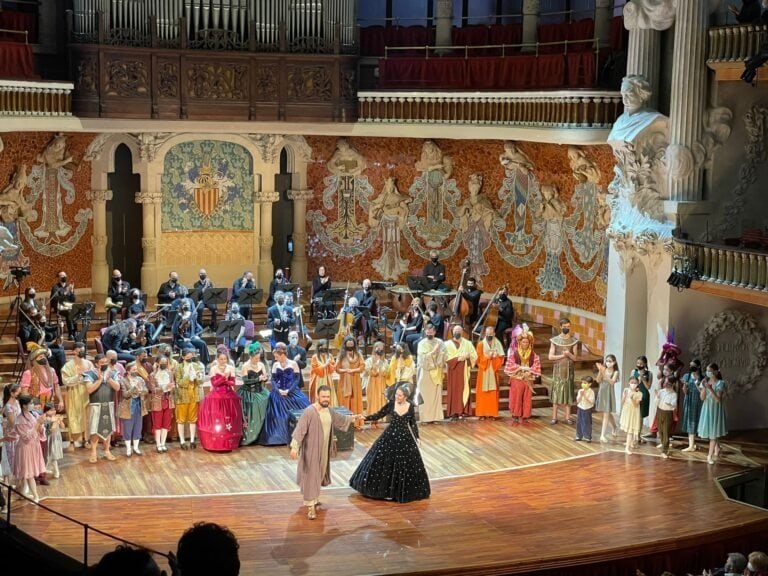
Dance

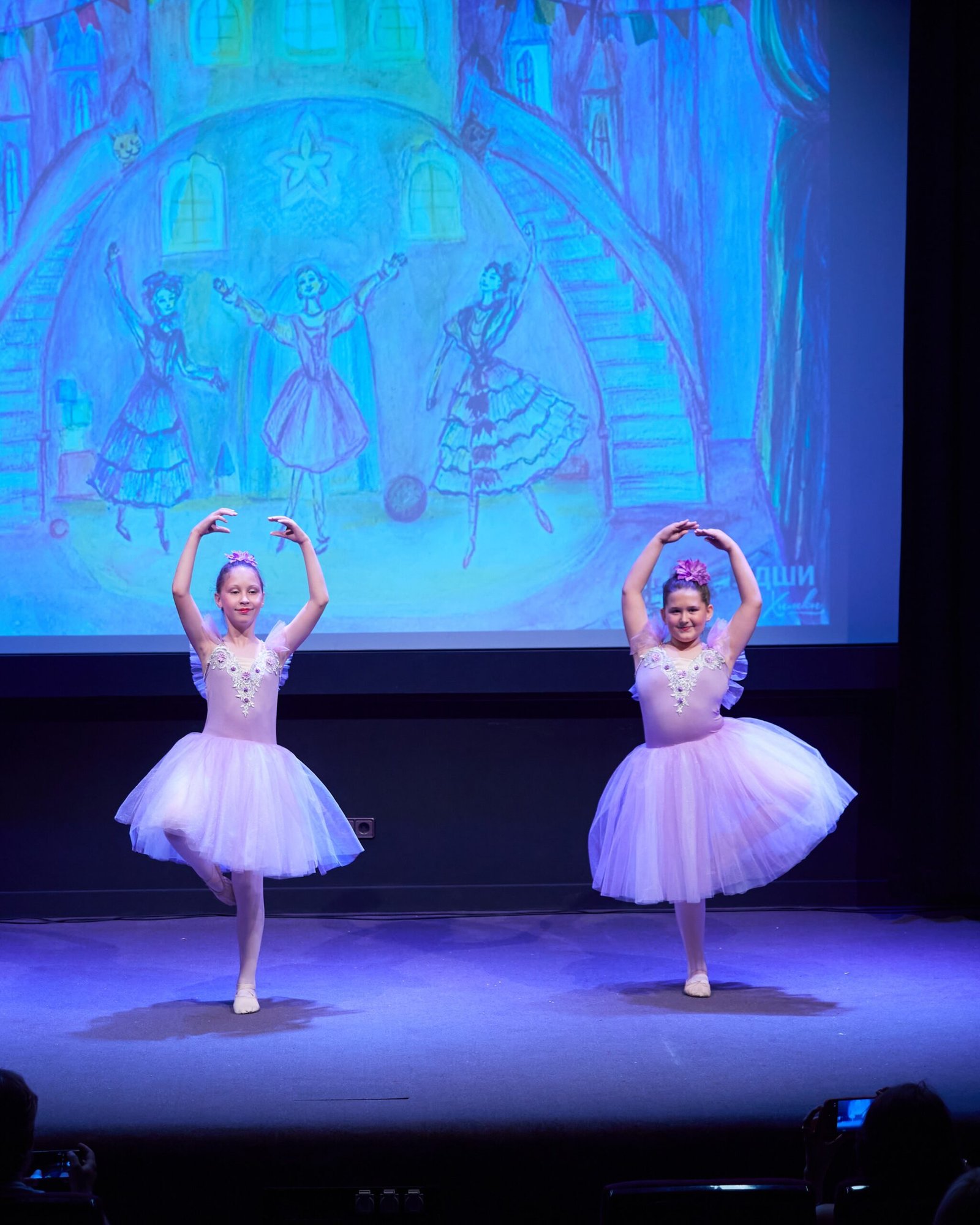
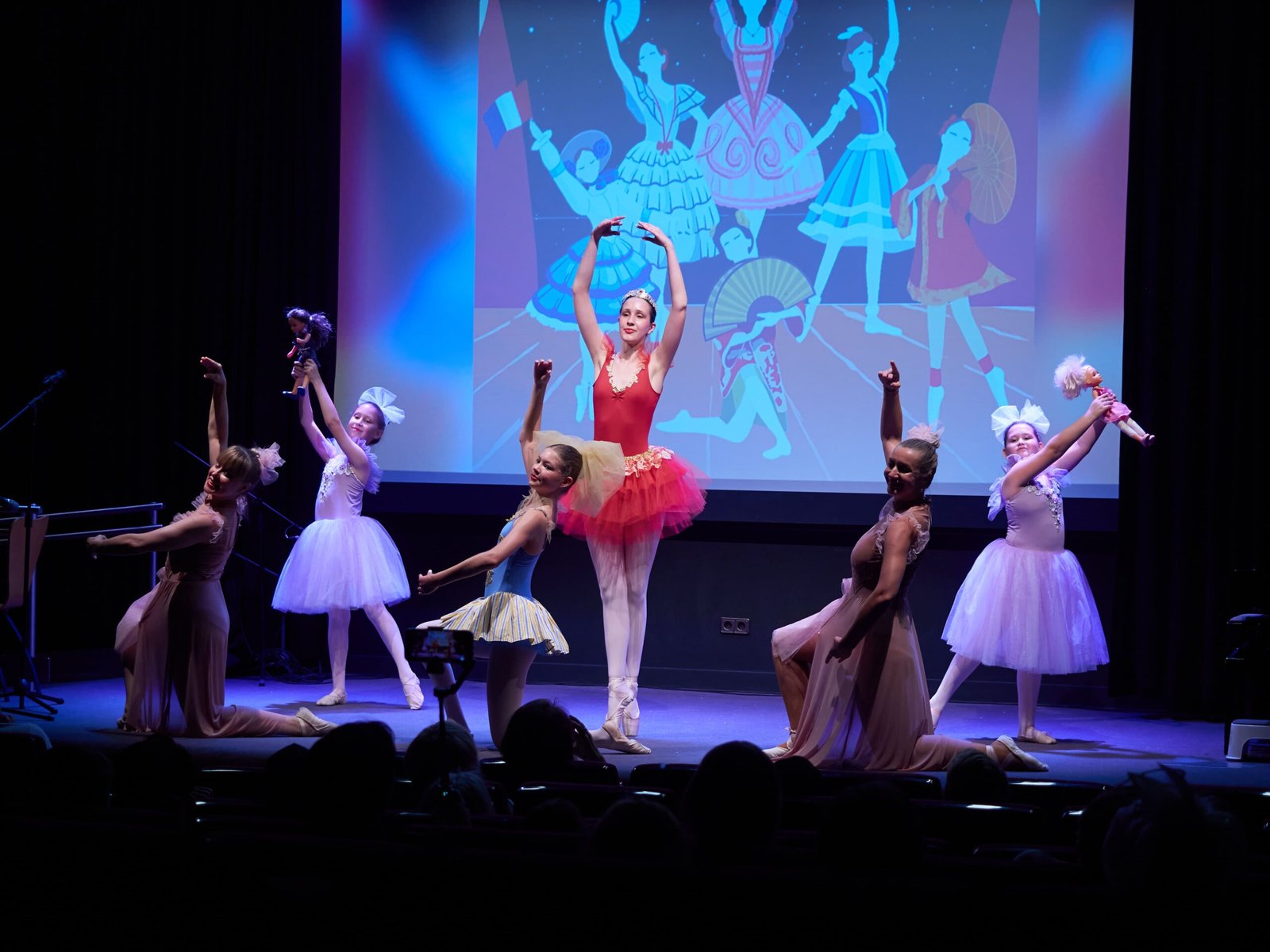
Dance teaches much more than just how to move. It develops posture, coordination, a sense of rhythm and the ability to express with the body what the music is saying. And it also teaches acting: how to inhabit a character, how to communicate through gesture, how to be on a stage.

The Fantasía choreography studio works on four disciplines in each course: musical movement, classical dance, folk dance and historical dance.

Who is it for?

Children aged 4 and over

Introduction to artistic dance. Development
of fine motor skills, creativity and observation.

Children and teenagers

Age-appropriate progressive techniques. Preparation for entrance examinations to art high schools, where applicable.

Adults

No age limit or prior knowledge required. Individualised pace according to each person's goals.

What does it cover?

The programme focuses on four disciplines: musical movement as a rhythmic base, classical dance elements to develop technique and musculature, folk dance from different peoples and cultures, and historical dance, which works on posture and elegance. Elements of all four may appear in every class, because the complete dancer needs them all.
What is being developed?

Posture and figure

Coordination and agility

Musicality and rhythm

stagecraft

Frequently asked questions

Is prior dance experience necessary?

No. The programme starts from the fundamentals of movement and adapts to each student's level.

Are there public performances?

Yes. At the end of each term, a recital is held where the students showcase what they have worked on throughout the year.

Are the classes individual or in groups?

We offer both options. The groups are small to ensure personal attention.

Can I start as an adult with no experience?

Yes, it is one of the most frequent profiles. We start from scratch and adapt the pace to your objectives.

When can I start?

Enrolment is open all year round.

More educational provision

At the Academy we offer music classes, art workshops and a programme open to the whole family.

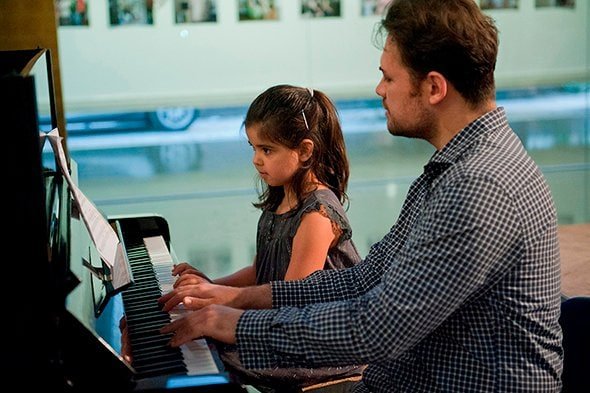
Teacher teaching a girl to play the piano in a cultural centre.

Music

Piano, violin, cello, guitar, flute, classical and modern singing, and theory lessons.

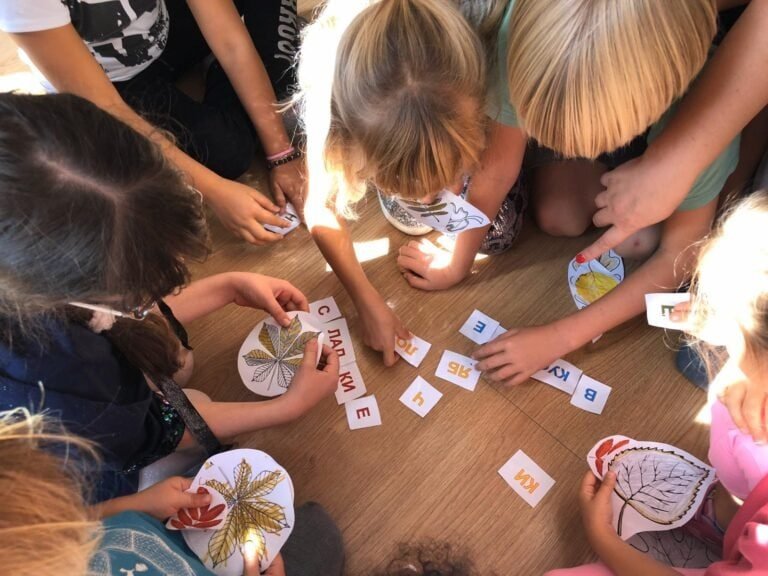
Children participating in an arts and educational games workshop.

Languages

Russian, Spanish and Catalan lessons.

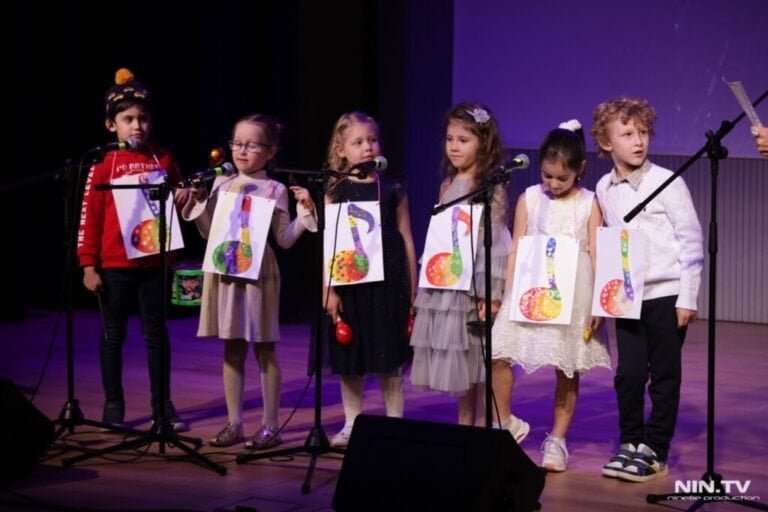
Children on stage with drawings and microphones at a cultural event.

Domisolca

Artistic education school for children aged between two and six

Boys and girls in ballet dressing rooms on the cultural centre stage.

Culture

Festivals, competitions and concerts open to the general public