Simple illustration of a piano with musical notes in a row.

Russian Music Academy of Barcelona

Piano

Learning piano is learning to read all of the music: melody, harmony and rhythm at the same time. It is the most complete instrument to start with, and one of the most rewarding to continue playing.

We offer one-to-one lessons for all levels.

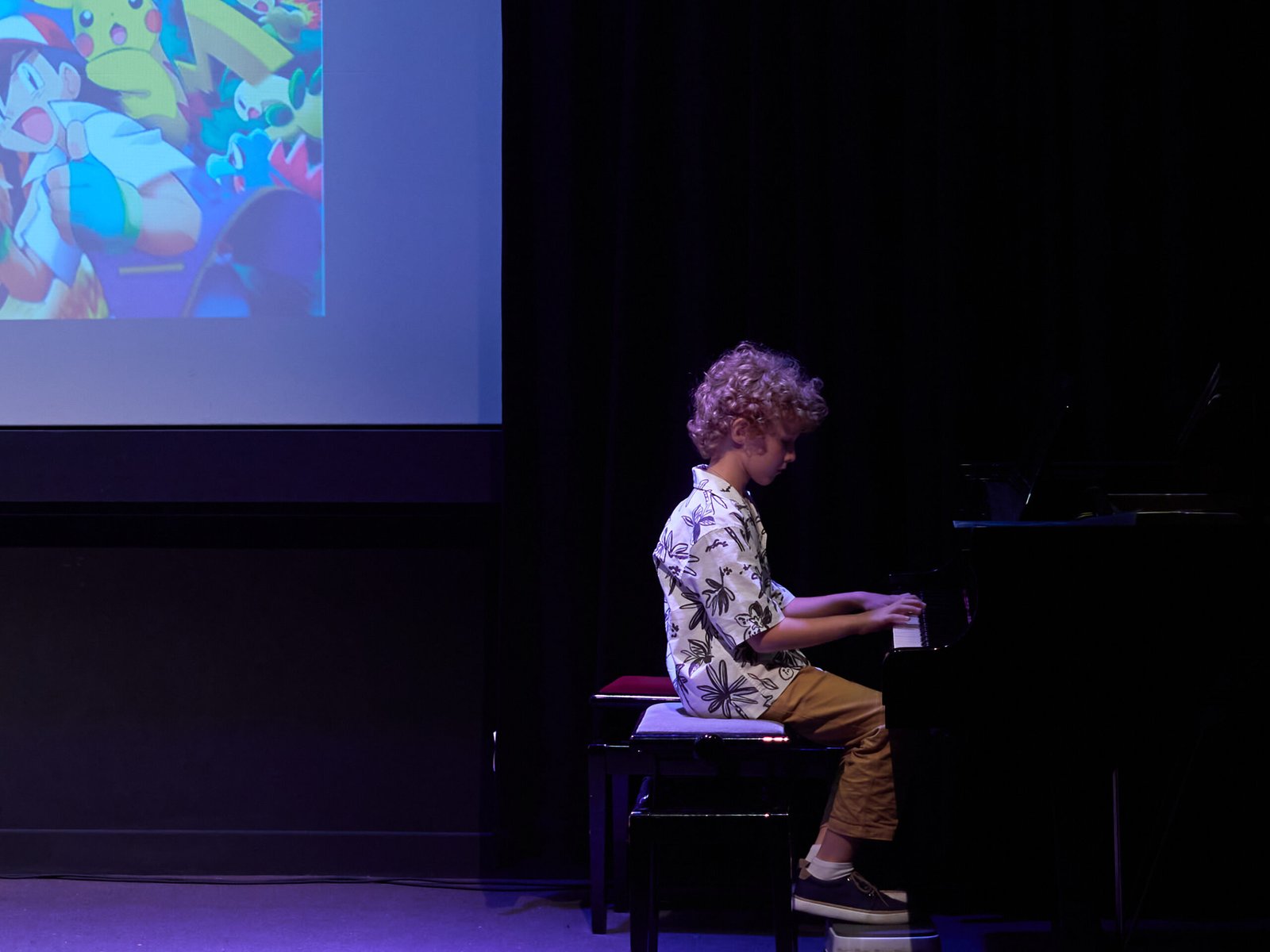
Boy playing the piano on a stage with a projector.

Educational provision

We offer three pathways of music education for our students:

Official qualifications

Logo of the Department of Education of the Government of Catalonia.

We prepare students for entrance exams to the country's main conservatoires of music, for both intermediate and higher education degrees.

Trinity College

Trinity College London logo in purple and black colours.

As an official Trinity examination centre, we offer our students the opportunity to gain an internationally recognised certificate that proves their musical level.

Individual plan

We welcome students of all ages and all levels. For their personal development, we offer individual music tuition plans. 

Festivals and concerts

Playing in public is the best learning experience. 

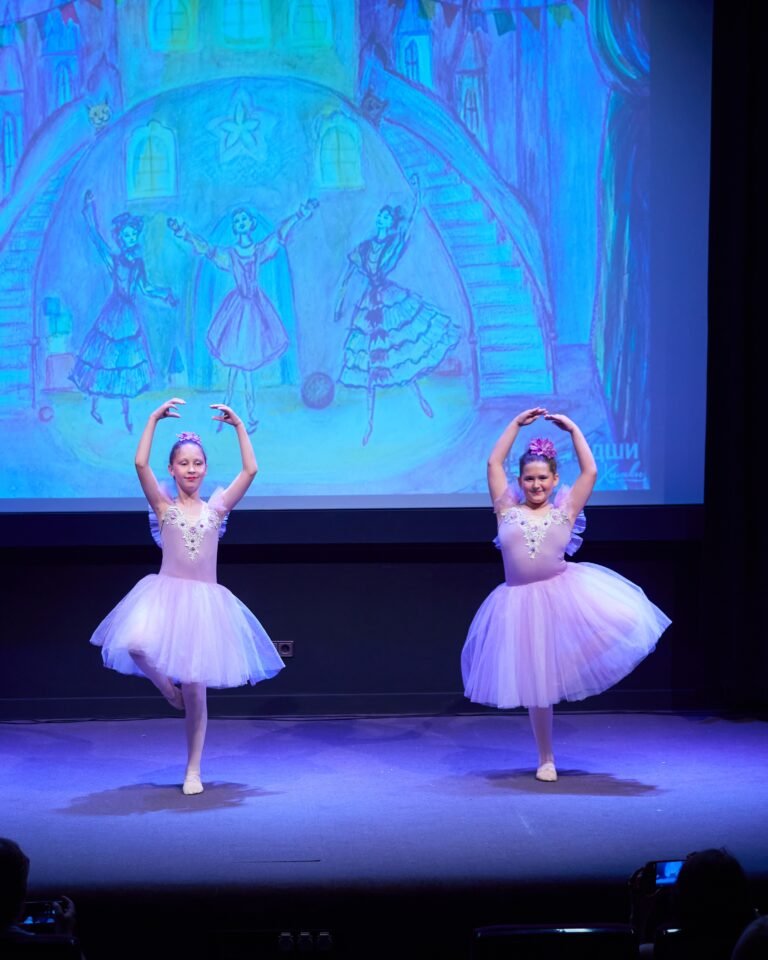
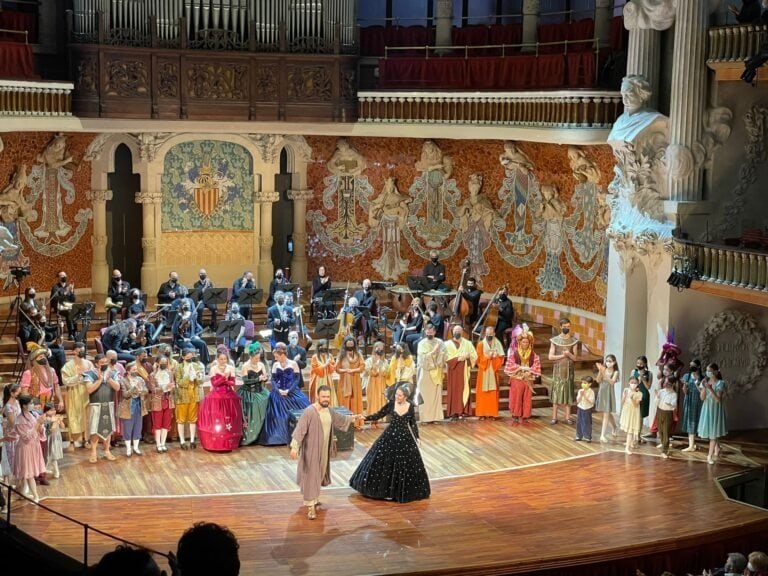
For this reason, all our students have the opportunity to take part in festivals and concerts organised each year in order to put into practice everything they have learned in the classroom.

Frequently asked questions

At what age can my child start playing the piano?

At the Academy we accept pupils from the age of 6. For children aged 2 to 6 we offer music, art and dance classes at the Domisolca School of Artistic Education, linked to the Academy, where musical ear and sensitivity are developed before starting with an instrument.

I am an adult with no prior knowledge. Can I start?

Yes, we accept adult students with no age limit. Before starting, we carry out a personal interview to find out your starting point and your goals, and from there we design a tailor-made programme for you.

Are the classes individual or in groups?

Piano lessons are always one-to-one. 

How do timetables work?

Instrument lessons are arranged directly with the teacher according to their and your availability.

Do I need to have a piano at home?

It's not essential to start with, but it is highly recommended if you want to make progress. Practising between classes is what consolidates what is worked on in the classroom, and without an instrument, progress is slower.

Do you prepare people for conservatory entrance exams?

Yes. Our teachers prepare students for the entrance exams to conservatoires in Catalonia at all levels. The Academy's professional grade, lasting six academic years, is specifically tailored towards that objective.

What is the difference between the official syllabus and the Trinity College London one?

The official syllabus follows the curriculum of the Department of Education of the Generalitat, with elementary and professional grades, and prepares students for entrance to conservatoires. Trinity College London is an eight-level British certification plus an initial level, with international validity. These are two distinct regulated pathways and you can follow one, the other or both.
What languages are the classes taught in?

We teach music in four languages: Spanish, Catalan, Russian and English. Each student can receive their lessons in the language they find most comfortable, subject to teacher availability.

More educational provision

The Academy is part of a broader cultural centre. We offer language and art courses, as well as a programme open to the whole family.

P1528275

Workshops

Painting, dance and chess

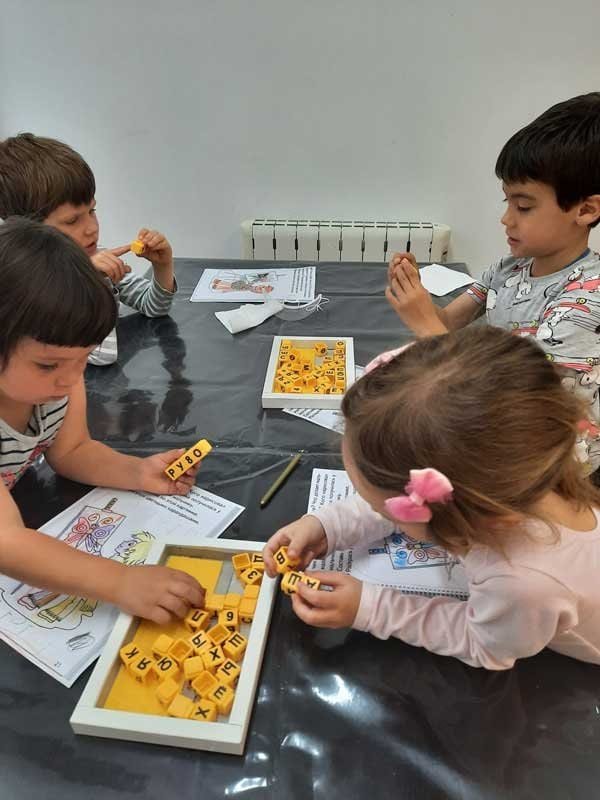
Children playing with letter games at a table in the cultural centre.

Languages

Russian, Spanish, Catalan and English classes

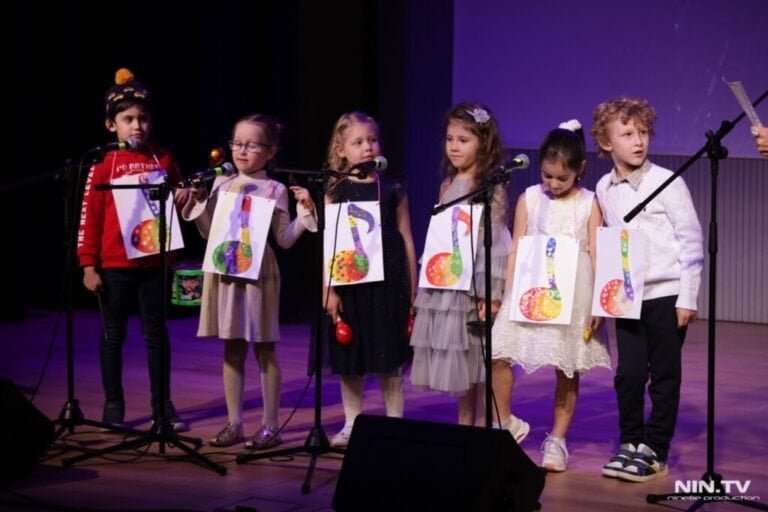
Children on stage with drawings and microphones at a cultural event.

Domisolca

Artistic education school for children aged between two and six

Boys and girls in ballet dressing rooms on the cultural centre stage.

Culture

Festivals, competitions and concerts open to the general public