


Russian Music Academy of Barcelona
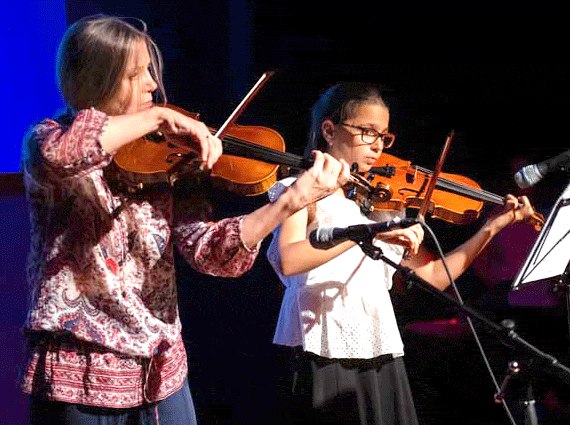
Violin
The violin is demanding from the start: there are no frets or keys, and the ear guides the hand. That initial challenge is precisely what develops musicians with a lifelong sense of pitch and tone.
We offer one-to-one lessons at all levels.
Music education options
We offer three pathways of music education for our students:
Official qualifications

We prepare students for entrance examinations to Spain's main music conservatoires, for both intermediate and advanced degree programmes.
Trinity College
As an official Trinity examination centre, we offer our students the opportunity to obtain an internationally recognised certificate that demonstrates their musical level.
Individual plan
We welcome students of all ages and levels. We offer individualised music tuition tailored to each student's personal development.
Teachers
Festivals and concerts
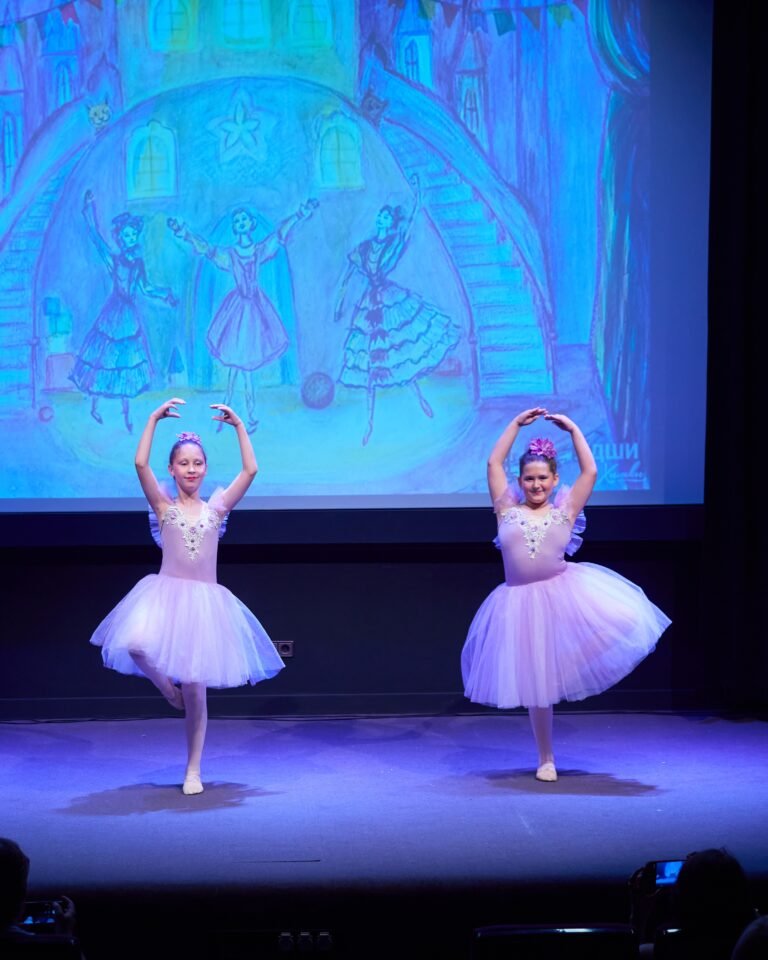
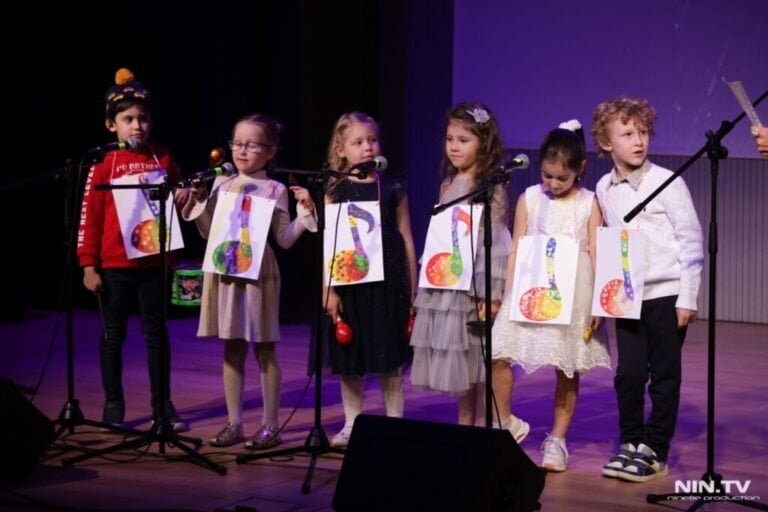
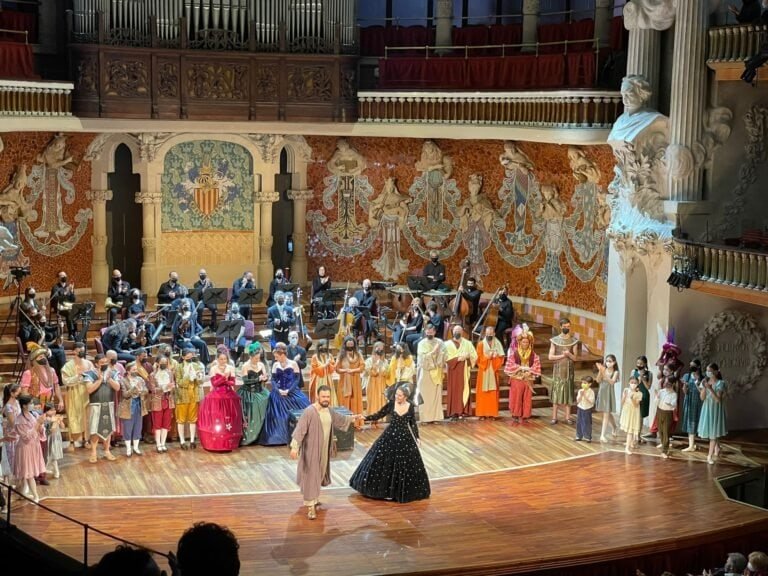
Playing in public is the best learning experience.
For this reason, all our students have the opportunity to participate in festivals and concerts organised each year to showcase what they have learned in the classroom.
Frequently asked questions
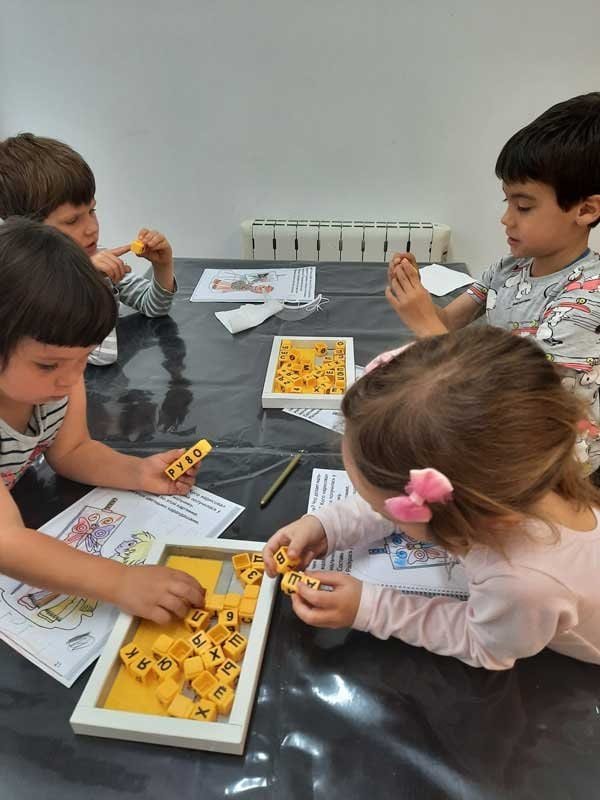
At the Academy we accept students from age 6 onwards. The violin comes in sizes adapted to each age, so young children can start with an instrument of the right size and upgrade as they grow. For children aged 2 to 6, we offer musical initiation at Domisolca, our School of Artistic Education, which is linked to the Academy.
Yes, it is necessary to have the instrument to practise at home from the beginning. The good news is that a beginner's study violin is reasonably priced, and in Barcelona you have the option of renting one, which is advisable in the early years when children need to change size frequently.
It depends on arm length, not just age. Sizes range from 1/16 to full 4/4. In the first lesson, the teacher will measure the student and recommend the appropriate size.
Violin lessons are always individual. Complementary subjects—music theory, music history and instrumental ensemble—are taught in groups on a fixed timetable that you can review before enrolling.
Yes. Our teachers prepare students for entrance examinations to conservatoires in Catalonia at all levels. The Academy's professional programme, spanning six academic years, is specifically designed for that objective.
The official syllabus follows the curriculum of the Department of Education of the Generalitat, with elementary and professional grades, and prepares students for entrance to conservatoires. Trinity College London offers eight levels plus an initial level, with international validity. These are two distinct pathways and students can follow one, the other or both.
We teach music in four languages: Spanish, Catalan, Russian and English. Each student can receive lessons in the language they find most comfortable, depending on teacher availability.
Additional programmes
The Academy is part of a broader cultural centre. We offer language and art courses, as well as a family-oriented programme.