Russian Music Academy of Barcelona
Flute lessons
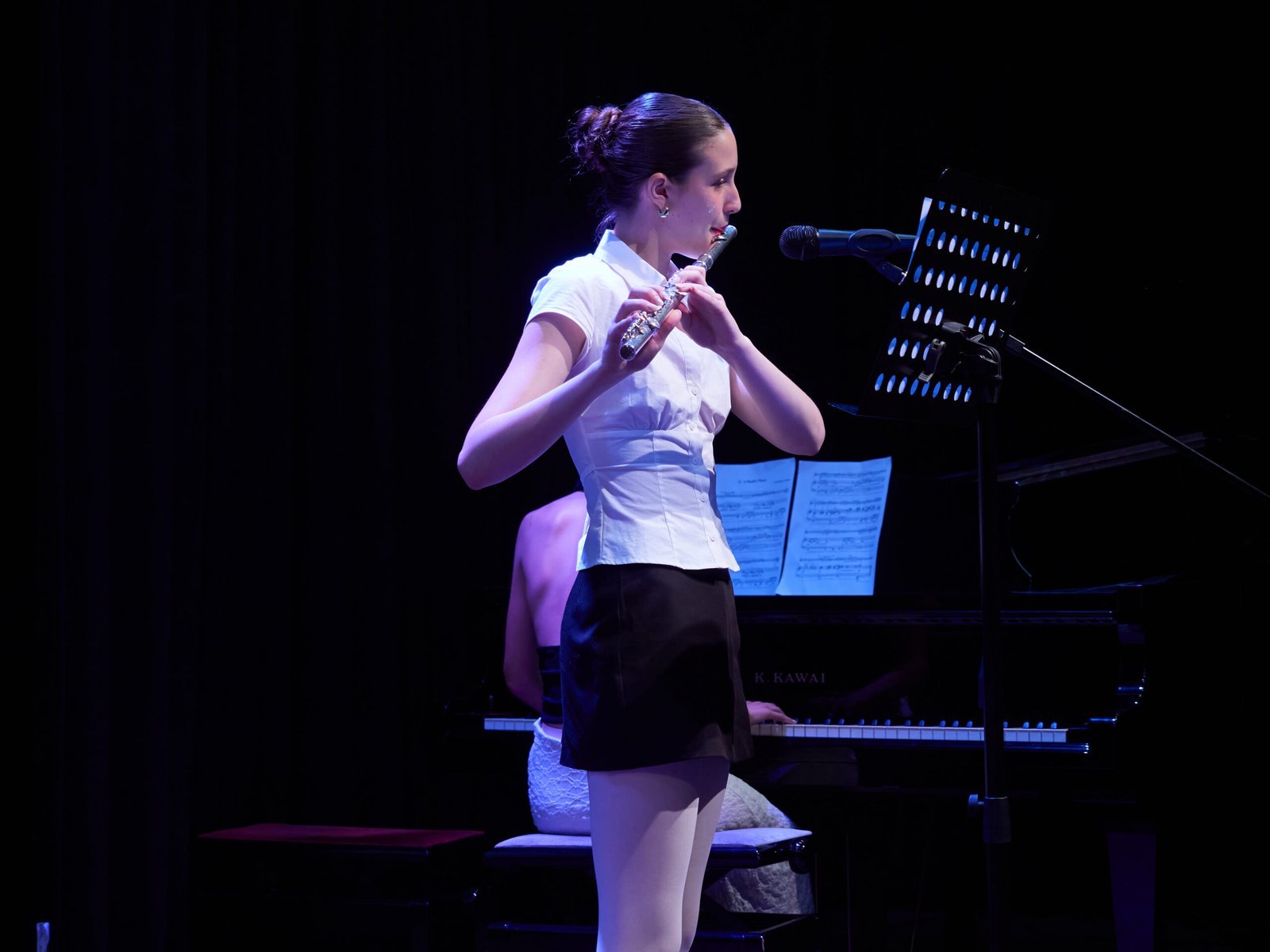
The transverse flute has a bright, agile sound that works well across almost any repertoire, from Baroque to jazz. It is light, portable and is learned through breathing: playing it teaches you to listen to your own body.
We offer one-to-one lessons for all levels and with a flexible timetable.
How is studying with us?
Our classes
In our academy, no two classes are alike; our teachers adapt to each student's tastes and goals. You can choose the style, the pieces you want to work on, and the pace of the classes.
Complete training
From the very first day, the technique, interpretation and musical language will be worked on in parallel to give you a solid musical education.
Musical awareness
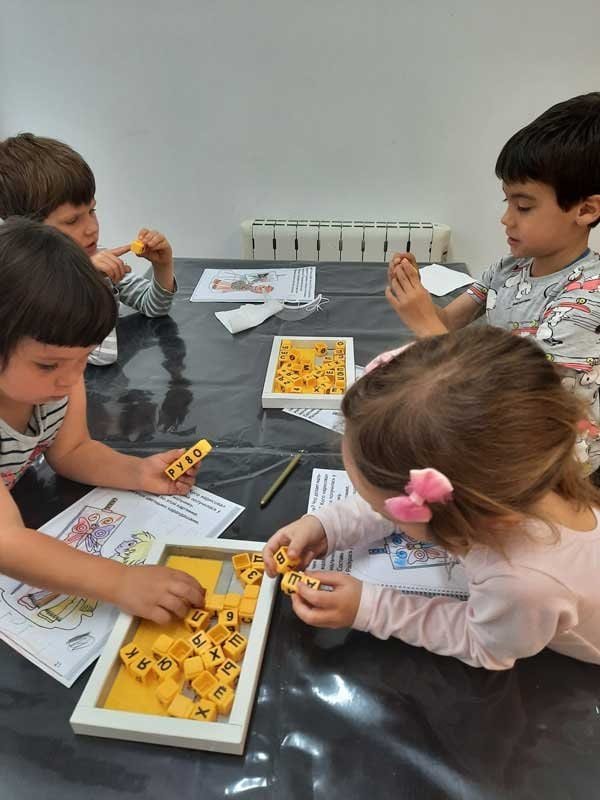
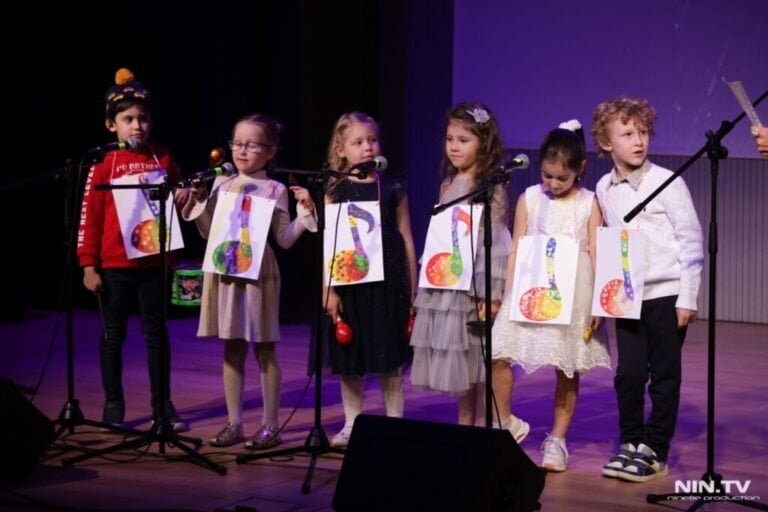
For children under 6 years old. They discover music naturally and internalize basic concepts such as rhythm, pulse, timbre, body expression, and singing intuitively.
Children under 6 years old
Auditions and concerts
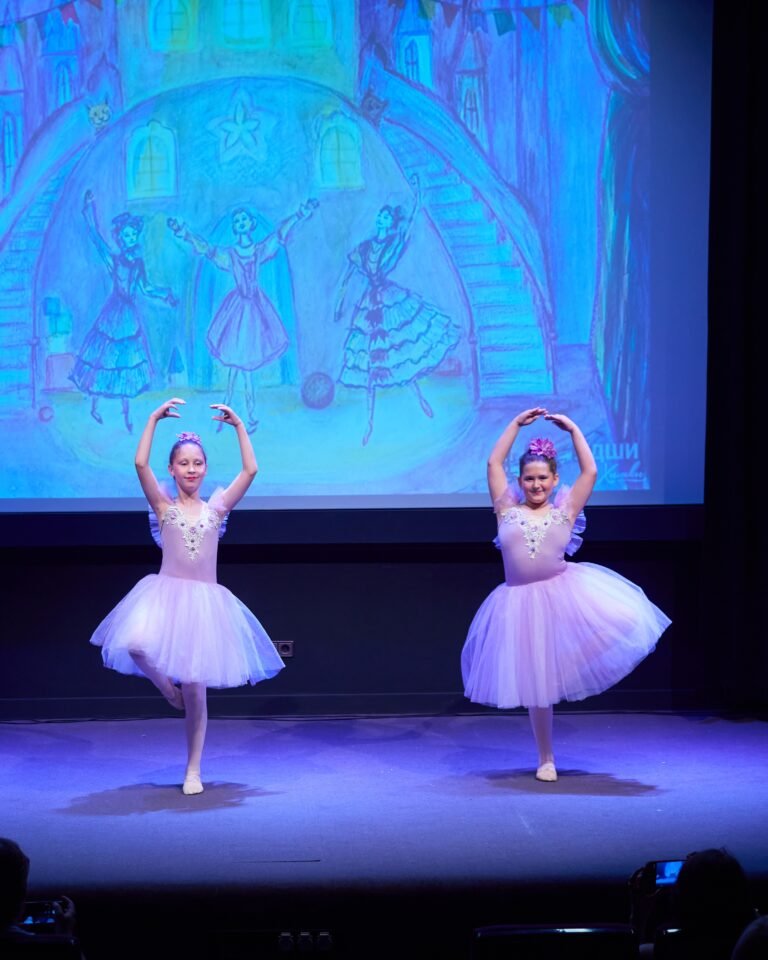
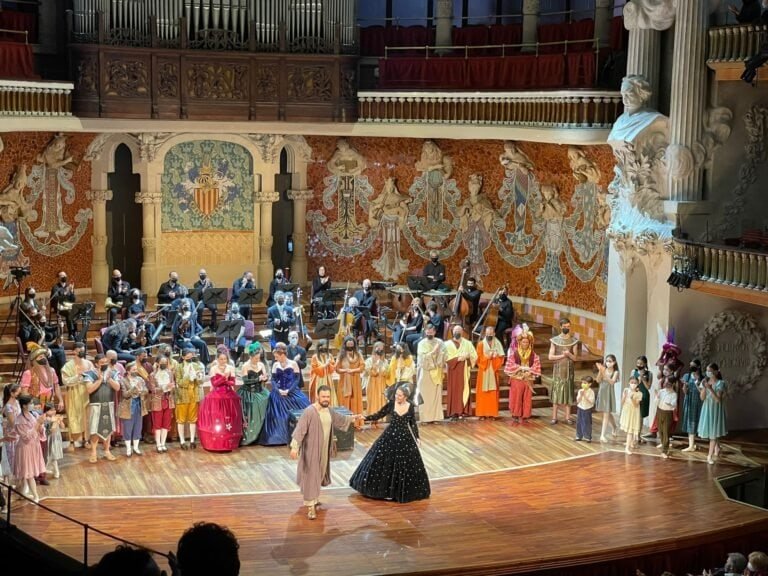
You will have the opportunity to perform at the auditions that are organized every year. In addition, you will be able to participate in our festival, Alborada Rusa which will allow you to perform abroad.
- Christmas concertaudition
- End-of-course concertaudition
- Alborada Rusacontest-festival · Barcelona
Three different paths
We offer three pathways of music education for our students:
Official qualifications
We prepare students for entrance examinations to Spain's main music conservatoires, for both intermediate and advanced degree programmes.
Trinity College
As an official Trinity examination centre, we offer our students the opportunity to obtain an internationally recognised certificate that demonstrates their musical level.
Individual plan
We welcome students of all ages and levels. We offer individualised music tuition tailored to each student's personal development.
Teachers
Festivals and concerts
Playing in public is the best learning experience.
For this reason, all our students have the opportunity to participate in festivals and concerts organised each year to showcase what they have learned in the classroom.
Frequently asked questions
At the Academy we accept students from age 6 onwards, although for flute we assess each case individually. For children aged 2 to 6, we offer music, art and dance classes at Domisolca, our School of Artistic Education, which is affiliated with the Academy.
Yes, you need the instrument to practise at home from the start. A student flute is reasonably priced, and in the first lesson the teacher will advise you on the right model depending on the student's age and level.
No. The recorder is a school beginner's instrument; the flute is an orchestral instrument with its own technique and repertoire. Playing the recorder helps with music reading, but the embouchure and fingering are different.
Yes, we accept adult students with no upper age limit. Before starting, we conduct a personal interview to assess your starting point and discuss your goals, and we then design a tailor-made programme for you.
Flute lessons are always individual. Complementary subjects — music theory, music history, instrumental ensemble — are taught in groups, with a fixed timetable that you can check before enrolling.
Yes. Our teachers prepare students for entrance examinations to conservatoires in Catalonia at all levels. The Academy's professional programme, spanning six academic years, is specifically designed for that objective.
The official syllabus follows the curriculum of the Department of Education of the Generalitat, with elementary and professional grades, and prepares students for entrance to conservatoires. Trinity College London offers eight levels plus an initial level, with international validity. These are two distinct pathways and students can follow one, the other or both.
We teach music in four languages: Spanish, Catalan, Russian and English. Each student can receive lessons in the language they find most comfortable, depending on teacher availability.
Do you want to contact us?
Tell us who you are and what you would like to learn. We will respond in less than 24 hours and finalize the first trial class.
Other activities of the center
The Academy is part of a broader cultural centre. We offer language and art courses, as well as a family-oriented programme.