Russian Music Academy of Barcelona
Modern singing lessons
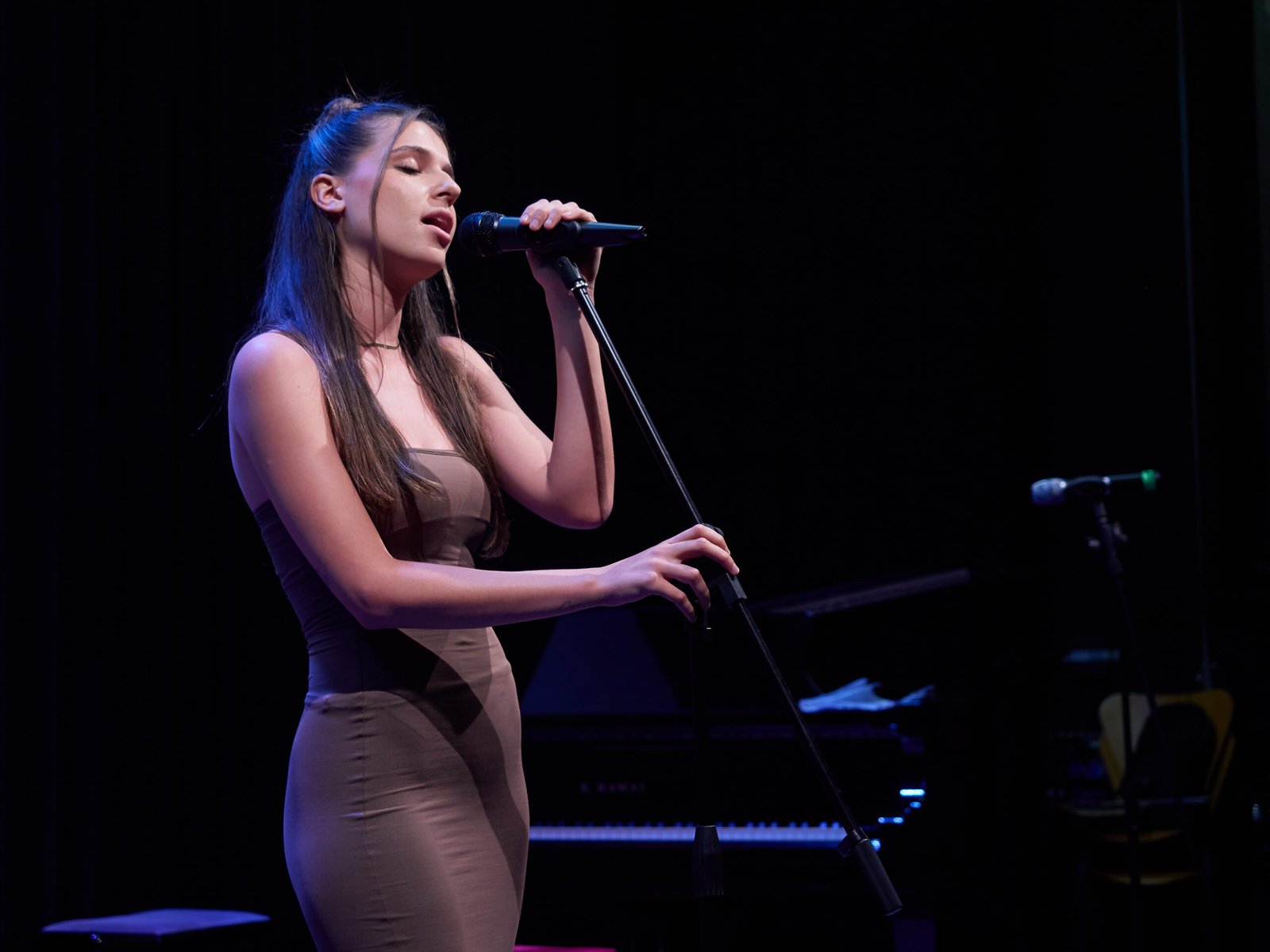
Modern singing encompasses styles that have emerged from pop, jazz, soul and contemporary music. Training combines vocal technique with work on style, interpretation and microphone technique.
We offer one-to-one lessons for all levels and with a flexible timetable.
How is studying with us?
Our classes
In our academy, no two classes are alike; our teachers adapt to each student's tastes and goals. You can choose the style, the pieces you want to work on, and the pace of the classes.
Complete training
From the very first day, the technique, interpretation and musical language will be worked on in parallel to give you a solid musical education.
Musical awareness
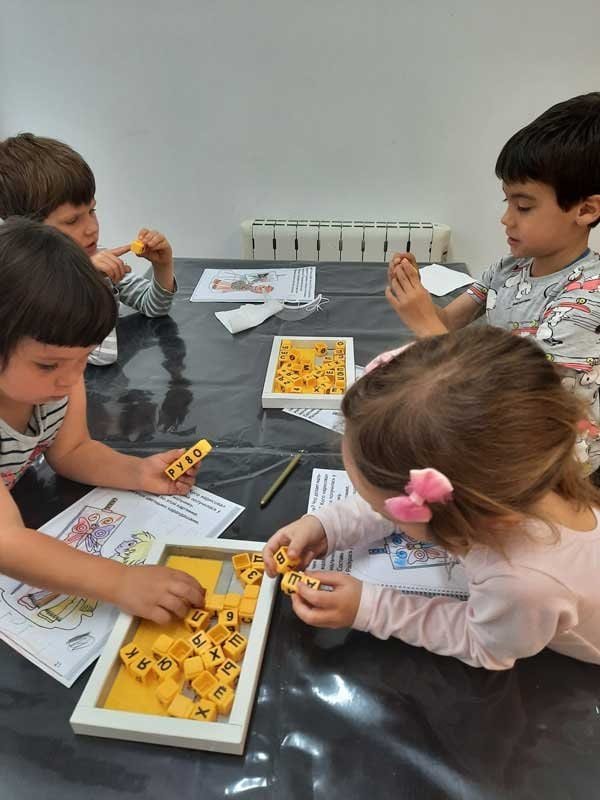
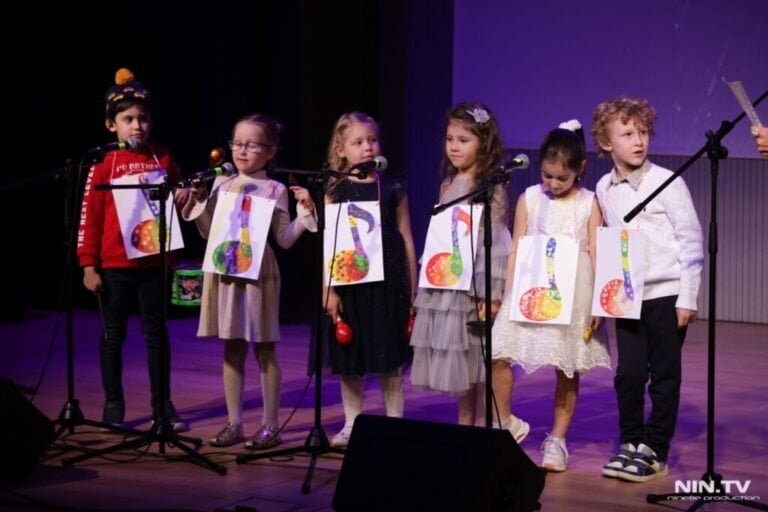
For children under 6 years old. They discover music naturally and internalize basic concepts such as rhythm, pulse, timbre, body expression, and singing intuitively.
Children under 6 years old
Auditions and concerts
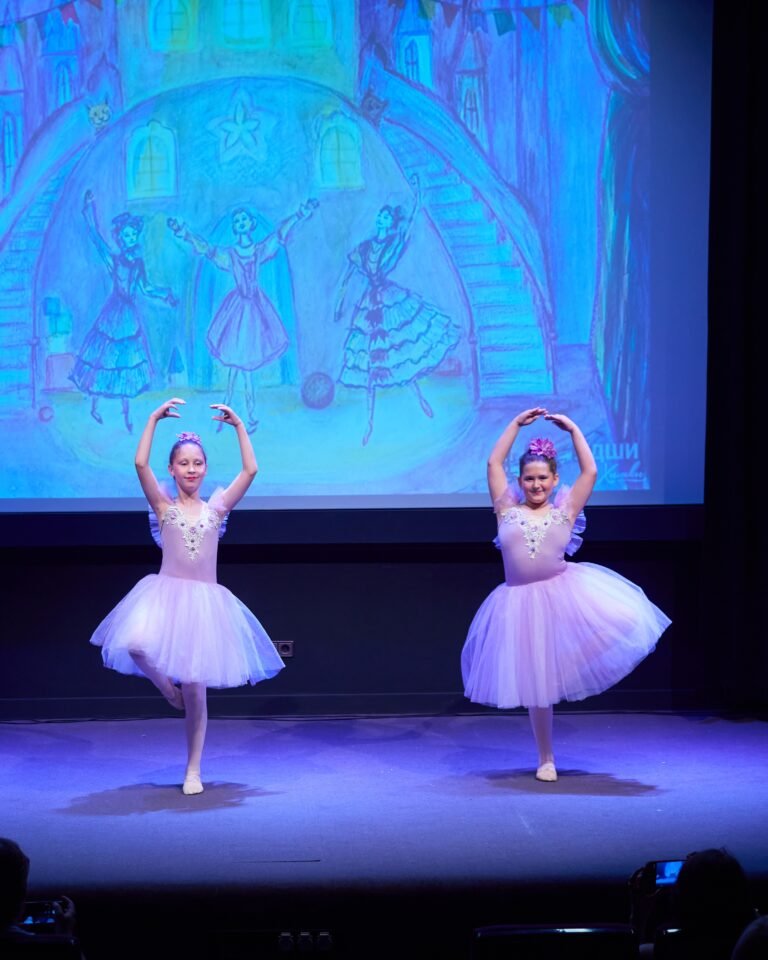
You will have the opportunity to perform at the auditions that are organized every year. In addition, you will be able to participate in our festival, Alborada Rusa which will allow you to perform abroad.
- Christmas concertaudition
- End-of-course concertaudition
- Alborada Rusacontest-festival · Barcelona
Three different paths
We offer three pathways of music education for our students:
Official qualifications

We prepare students for entrance examinations to Spain's main music conservatoires, for both intermediate and advanced degree programmes.
Trinity College
As an official Trinity examination centre, we offer our students the opportunity to obtain an internationally recognised certificate that demonstrates their musical level.
Individual plan
We welcome students of all ages and levels. We offer individualised music tuition tailored to each student's personal development.
Festivals and concerts
Playing in public is the best learning experience.
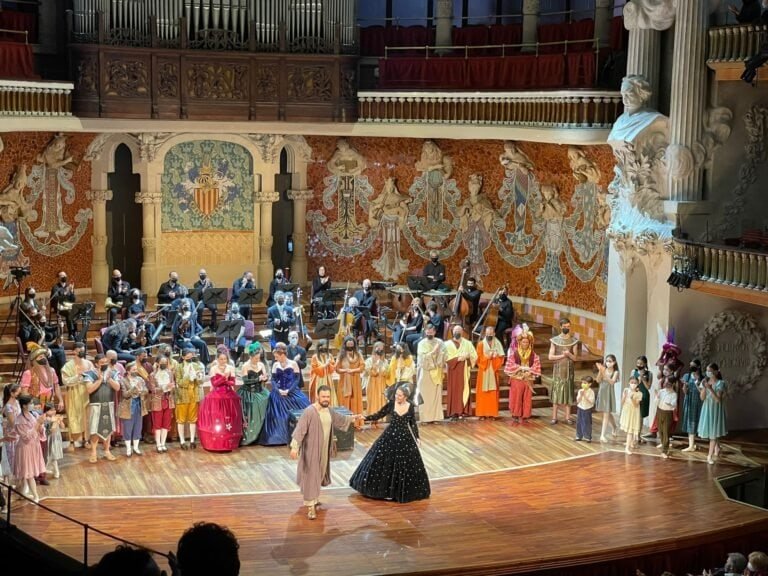
For this reason, all our students have the opportunity to participate in festivals and concerts organised each year to showcase what they have learned in the classroom.
Frequently asked questions
We accept singing students from age 5 onwards. At early ages, the work focuses on ear training, pitch and vocal play, without straining the voice.
The basic technique is common: breathing, support and placement are worked on in both. The repertoire, use of resonance and microphone technique differ. Modern singing aims for a more speech-like sound production and allows stylistic devices that classical singing does not.
Yes, and they are not incompatible. In fact, many modern singers benefit from a classical technical foundation.
Yes, with no upper age limit. Before starting, we conduct a personal interview to assess your voice and discuss your goals, and we then design a programme tailored to you.
Yes. Microphone technique is part of modern singing: distance, dynamics and breath control differ from acoustic singing.
The repertoire is chosen jointly by teacher and student. Working on songs that motivate you accelerates learning, provided they are suited to your level and voice type.
Classes are open to singer-songwriters as well. In addition, the Academy offers courses in composition fundamentals and harmony that can be taken in parallel.
Vocal technique and repertoire classes are individual. The vocal ensemble and theoretical subjects are taught in groups, with a fixed timetable.
We teach music in four languages: Spanish, Catalan, Russian and English. Each student can receive lessons in the language they find most comfortable, depending on teacher availability.
Do you want to contact us?
Tell us who you are and what you would like to learn. We will respond in less than 24 hours and finalize the first trial class.
Other activities of the center
The Academy is part of a broader cultural centre. We offer language and art courses, as well as a family-oriented programme.