Simple illustration of a piano with musical notes in a row.

Russian Music Academy of Barcelona

Theoretical subjects

Theoretical subjects are the foundation that allows music to be understood from an analytical point of view and improves performance. We offer sight-singing, specialised sight-singing for singers, music theory, harmony and composition techniques, for all levels.

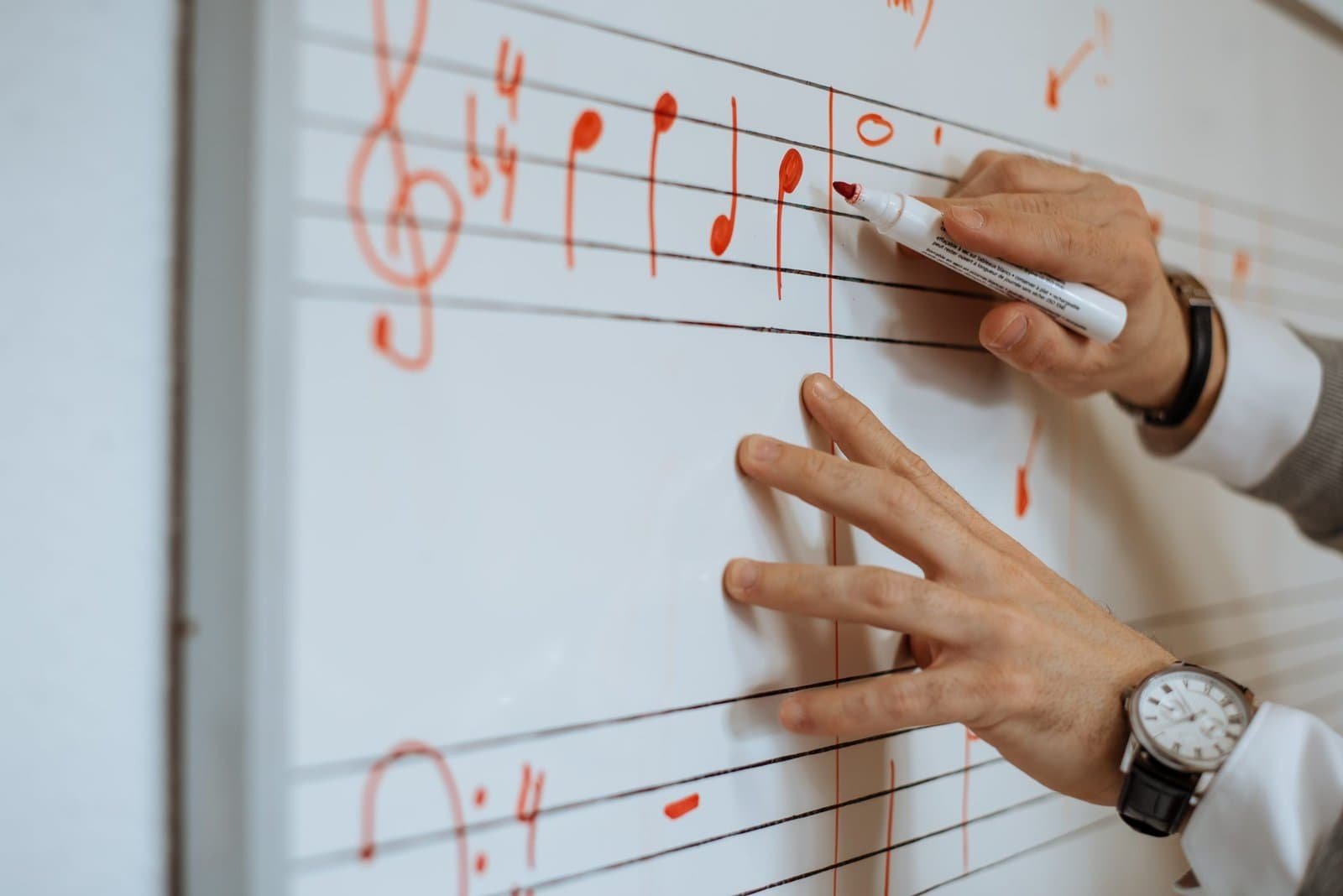
Person writing musical notes on a whiteboard.

Educational provision

We offer three pathways of music education for our students:

Official qualifications

Logo of the Department of Education of the Government of Catalonia.

We prepare students for entrance exams to the country's main conservatoires of music, for both intermediate and higher education degrees.

Trinity College

Trinity College London logo in purple and black colours.

As an official Trinity examination centre, we offer our students the opportunity to gain an internationally recognised certificate that proves their musical level.

Individual plan

We welcome students of all ages and all levels. For their personal development, we offer individual music tuition plans. 

Festivals and concerts

Playing in public is the best learning experience. 

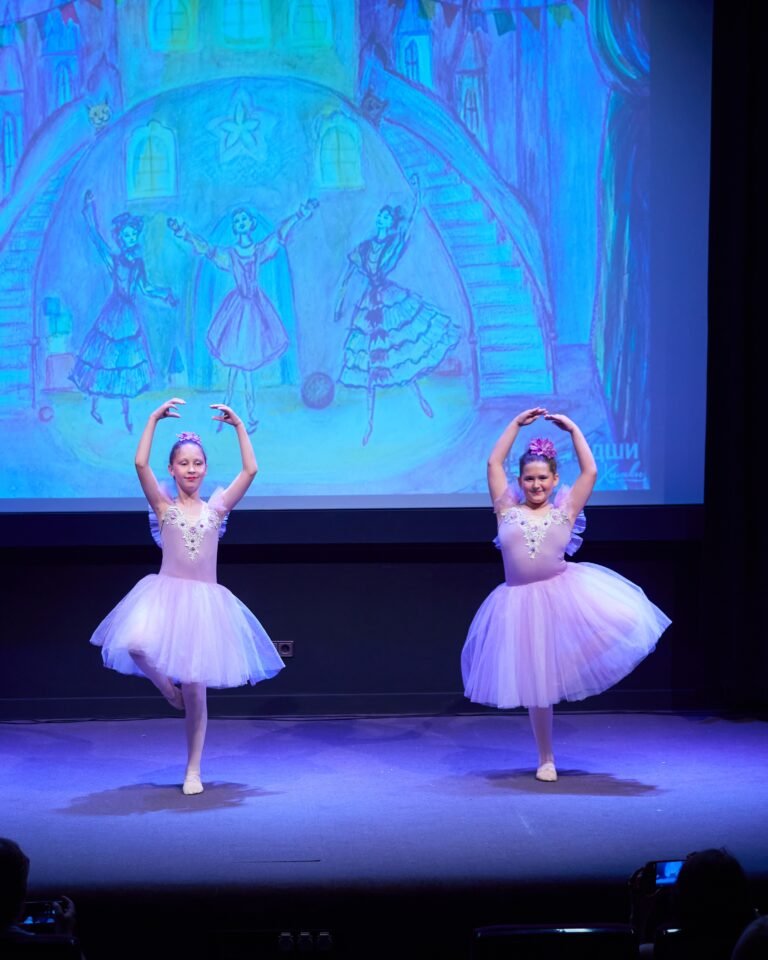
For this reason, all our students have the opportunity to take part in festivals and concerts organised each year in order to put into practice everything they have learned in the classroom.

Frequently asked questions

What theoretical subjects do you offer?

Music theory as a core subject, and as the student progresses, music history, Russian music history, composition basics, music technology and world traditional music are added. For singers, we also offer specific sight-singing, sight-reading, musical literature and opera history.
Can I take only theoretical subjects, without studying any instrument?

Yes. They are open to anyone who wants to train in music theory, whether they study an instrument with us or not. They are also for those preparing for conservatory entrance exams on their own.

Are they compulsory if I study an instrument?

They form part of the complete music training curriculum and we recommend them from the very beginning: without reading and harmonic comprehension, work with the instrument progresses more slowly. You can take them on a voluntary basis depending on your objectives.

What is musical language exactly?

It is the subject that teaches how to read, write and understand music: rhythm, intonation, dictation, theory and ear training. It is the foundation upon which everything else rests.

Are the classes individual or in groups?

They are taught in small groups with a fixed weekly schedule. It is the appropriate format: listening practice, reading and dictation benefit from being done together.

What are your opening hours?

They follow a fixed weekly schedule, distinct from that of individual instrument lessons. You can consult it before enrolling.

Do you prepare people for conservatory entrance exams?

Yes. The entrance exams include a theoretical and aural part, and these subjects are geared towards that. Our teachers prepare for the exams at all levels.

What languages are the classes taught in?

We teach music in four languages: Spanish, Catalan, Russian and English, depending on teacher availability.

More educational provision

The Academy is part of a broader cultural centre. We offer language and art courses, as well as a programme open to the whole family.

P1528275

Workshops

Painting, dance and chess

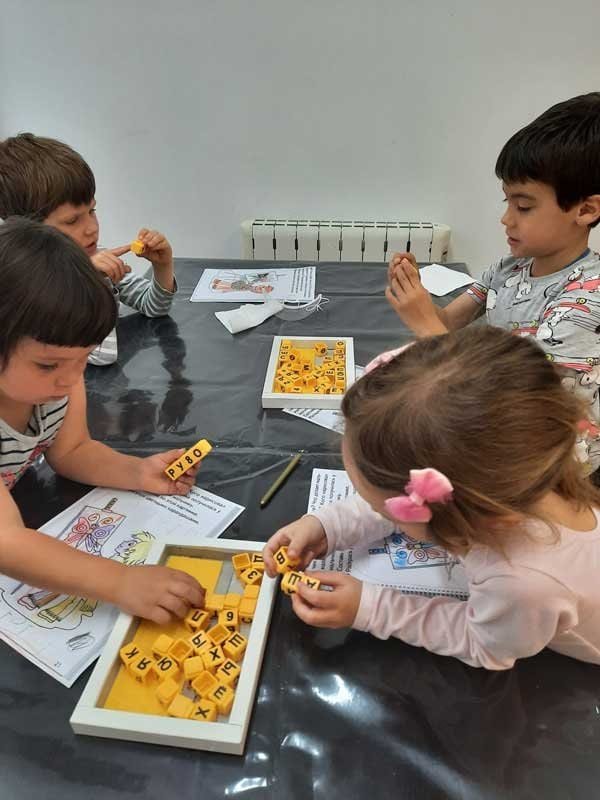
Children playing with letter games at a table in the cultural centre.

Languages

Russian, Spanish, Catalan and English classes

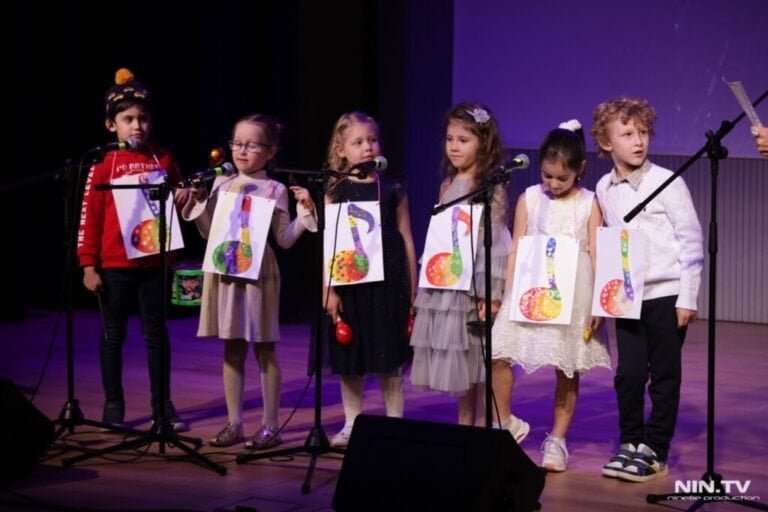
Children on stage with drawings and microphones at a cultural event.

Domisolca

Artistic education school for children aged between two and six

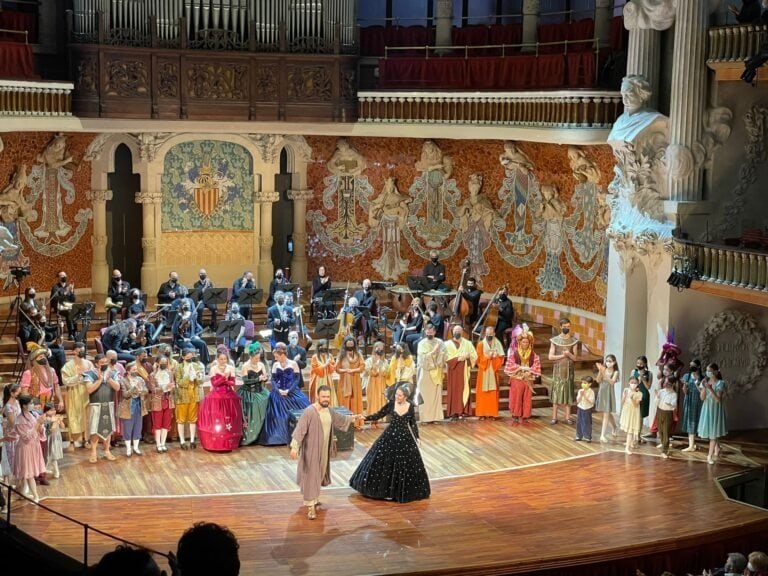
Boys and girls in ballet dressing rooms on the cultural centre stage.

Culture

Festivals, competitions and concerts open to the general public