The Russian Music Academy of Barcelona was established in 2013 as a private and independent educational institution. It does not depend on any ministry or public body, either Spanish or Russian.
What distinguishes it is not its ownership but its method: individualised teaching, teaching staff trained in the musical tradition of Eastern Europe, and lessons in Russian, English, Spanish or Catalan depending on what each pupil needs.
Since 2019 it has been an official Trinity College London examination centre, allowing its students to gain an international qualification without leaving Barcelona.
Current students
+0
COUNTRIES OF ORIGIN
0
Levels of education
0
Languages of instruction
0
What can one study at the Academy?
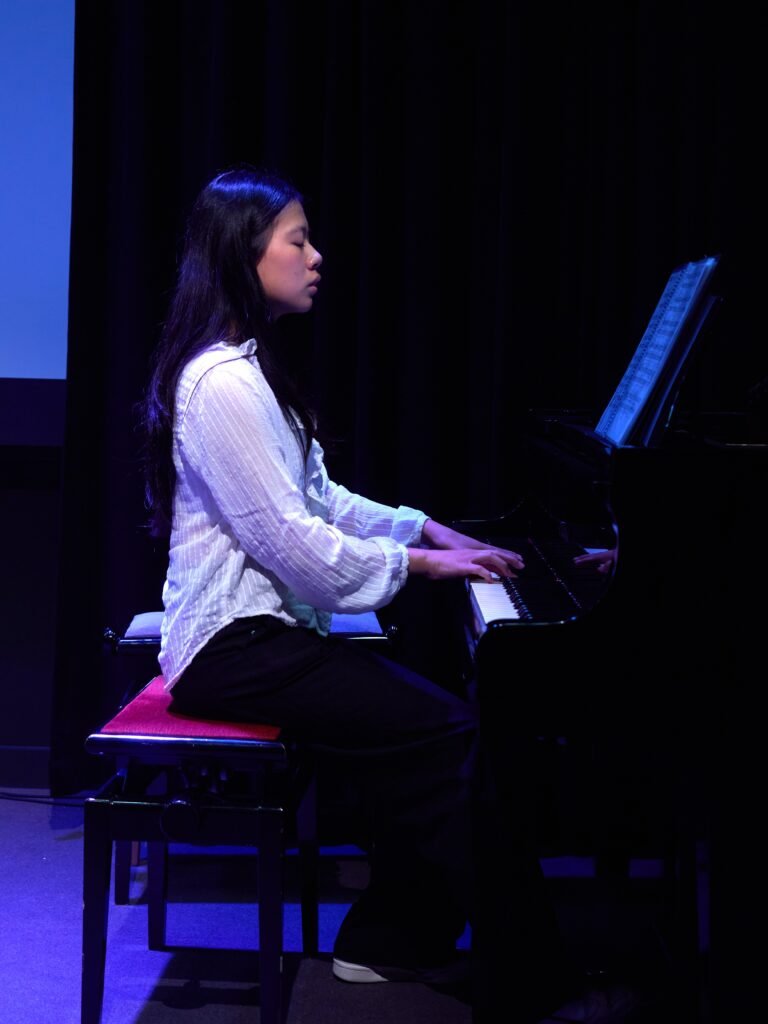
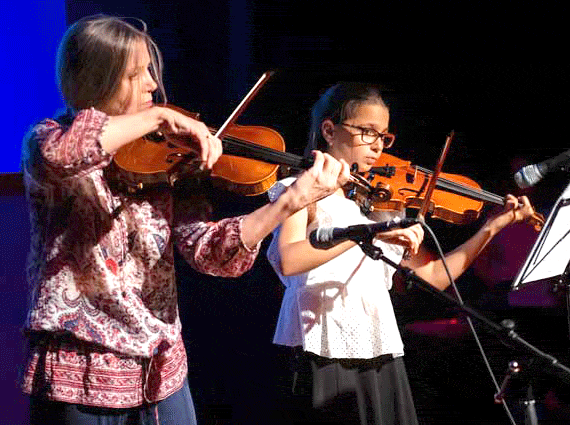
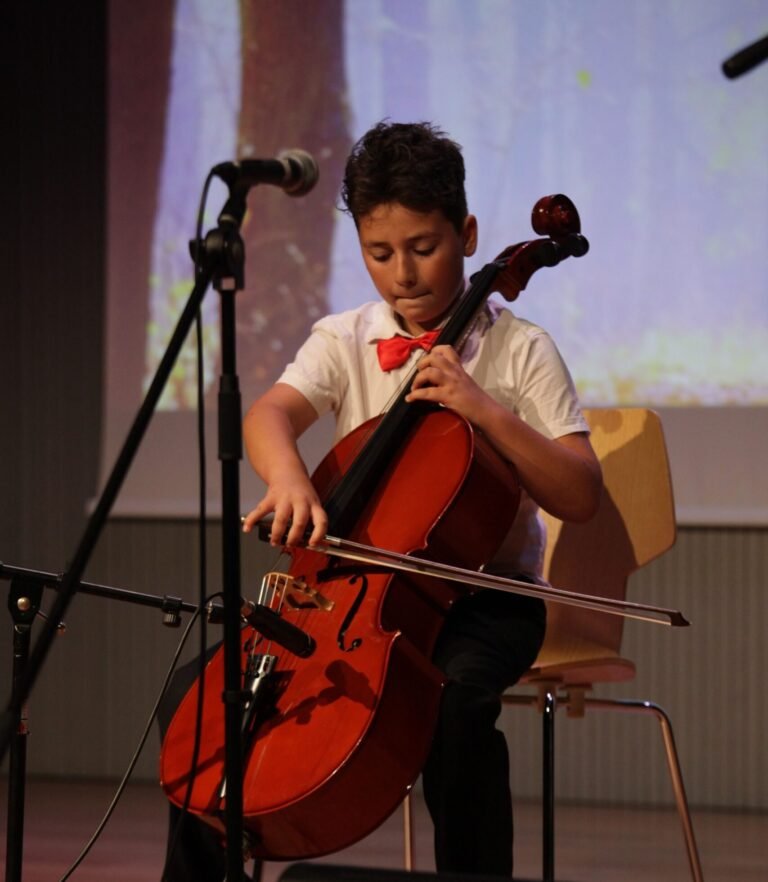
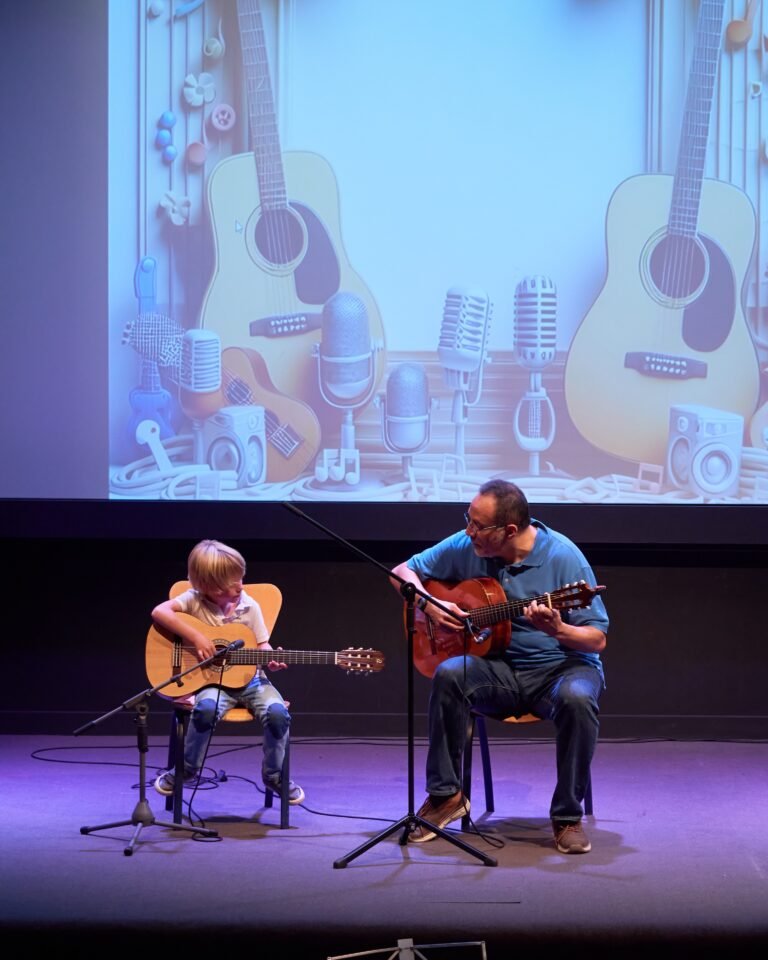
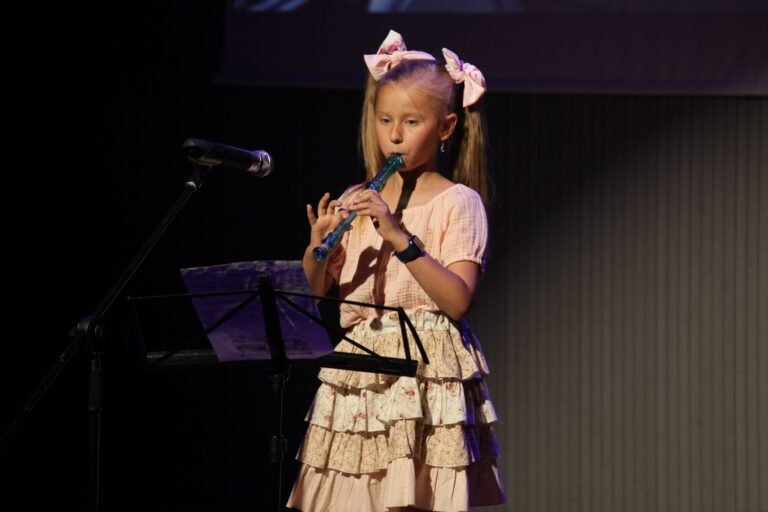
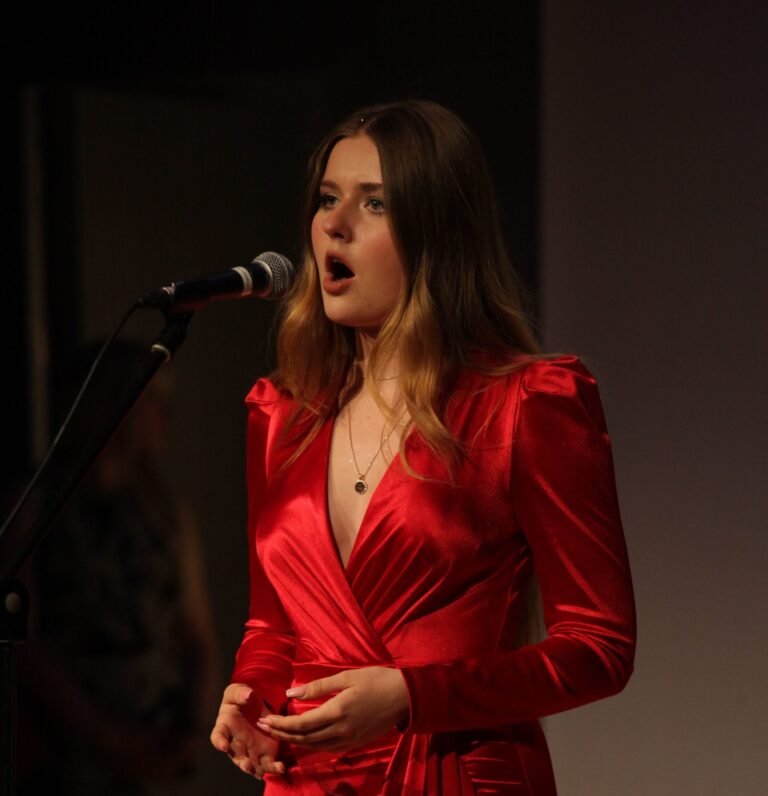
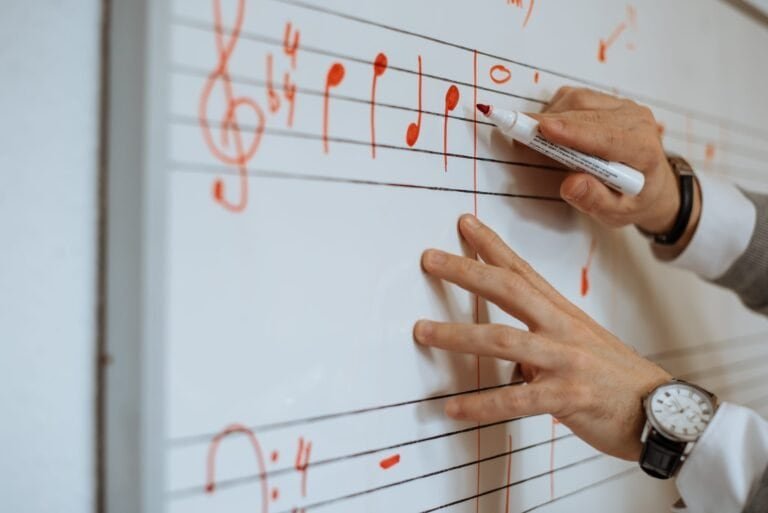
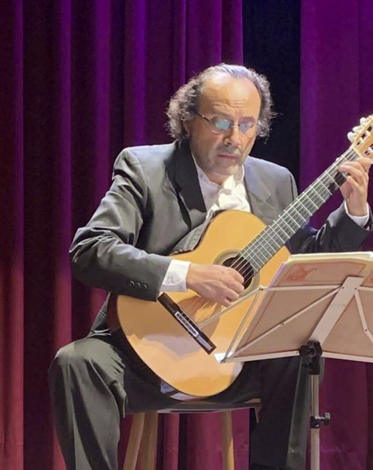
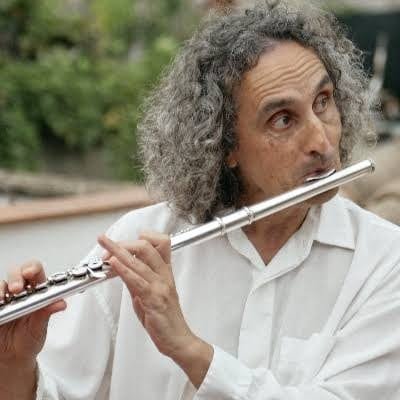
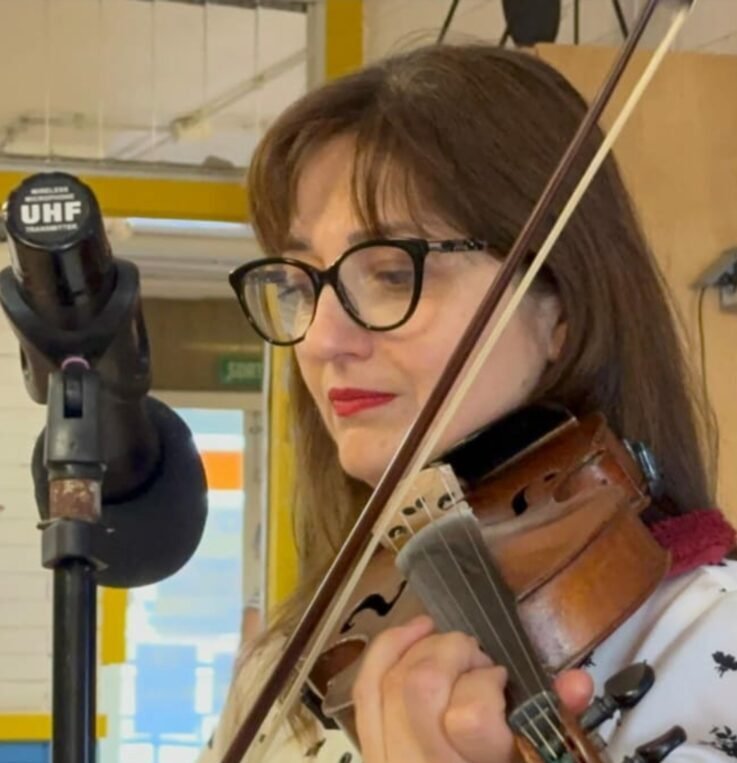
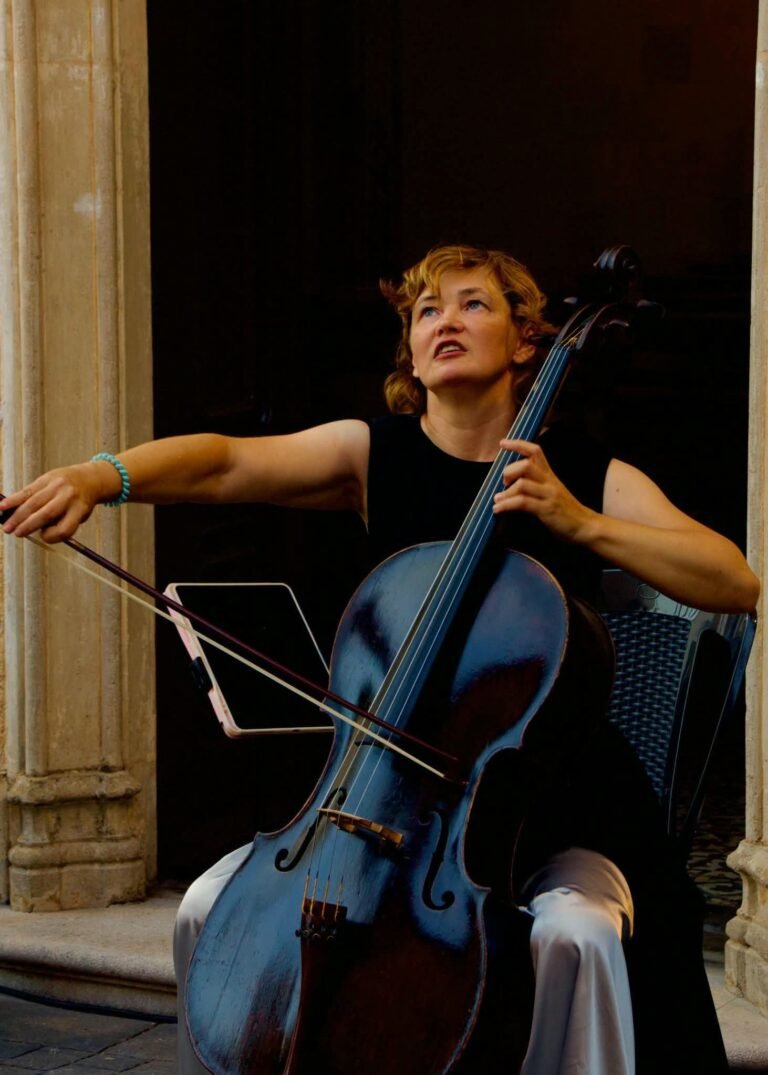
At the Academy you can study piano, violin, violoncello, guitar, flute, classical singing and modern singing. Theoretical subjects are also taught: music theory and composition.
In 2019, the Russian Academy of Music in Barcelona became an official examination centre for Trinity College London. This recognition has made the Academy a unique musical institution in Catalonia and one of the few in Spain where it is possible to receive musical training in Russian and sit international exams.
The training comprises nine levels, ranging from Initial to Grade 8. Students who pass the exams obtain an international certificate from Trinity College London, equivalent in level to a professional grade diploma.
Unapproved
Recognised directly in Europe and in numerous countries, without additional paperwork.
University admission help
Addition in higher education admission processes British people and to universities around the world.
Alternative to the conservatoire
A regulated curriculum separate from the conservatory system Spanish, with individualised pace.
For the little ones
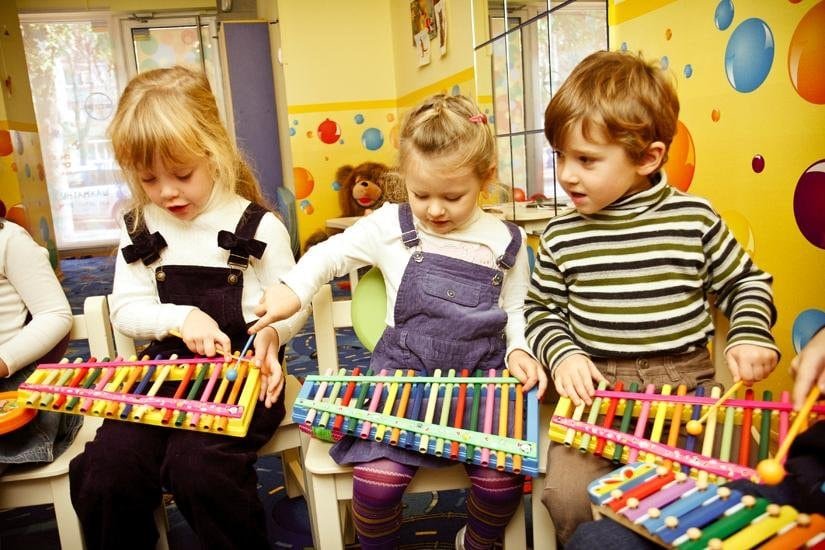
Before starting with an instrument, there is a stage where you learn to listen. Domisolca it is our art education school for children aged 2 to 6, where music, rhythmics, visual arts and theatre are taught together.
It is the first stage of musical training: when the child arrives at the Academy at six years of age, they have already developed their ear, sense of rhythm, and habit of self-expression.
Individual lessons are arranged with administration depending on the teacher's availability and your own. Group lessons follow a weekly schedule that you can check before enrolling.
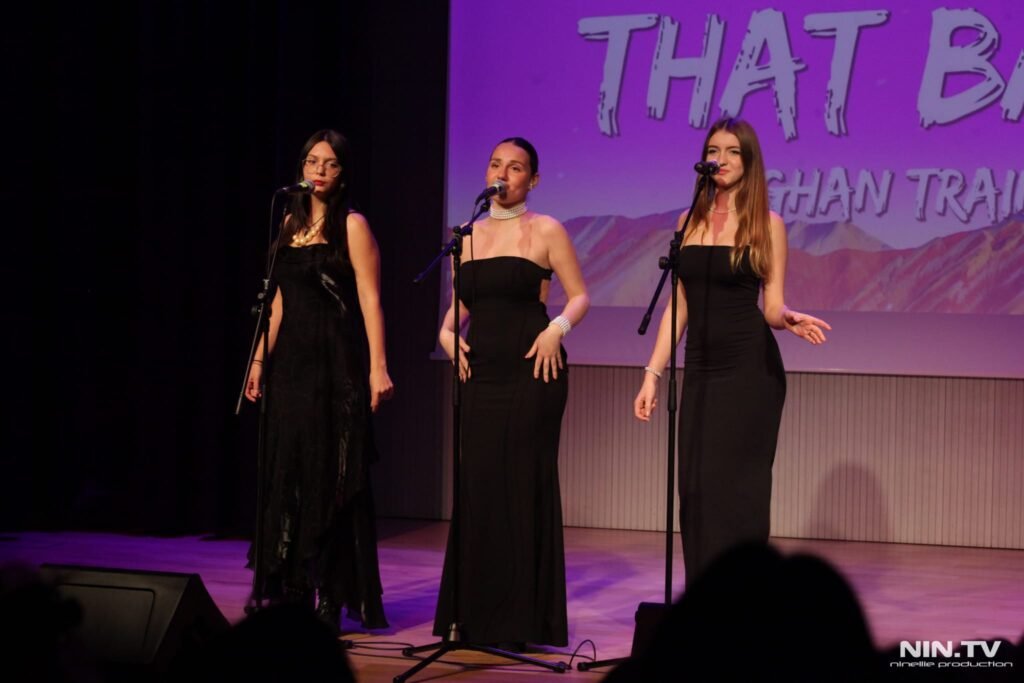
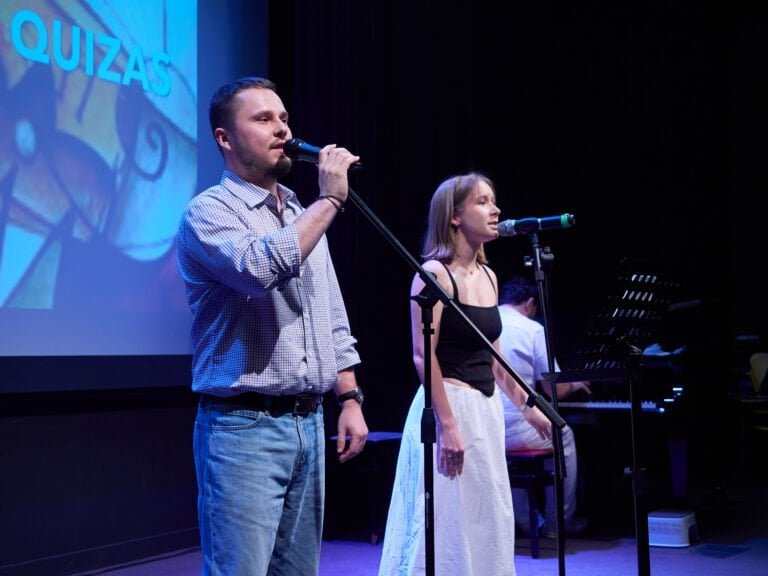
Yes. We organise auditions and concerts during the academic year, and the pupils take part in two concerts every year: the Christmas concert and the end-of-year concert.